

Look, stocking the right sleep setups isn’t just about what looks pretty on a showroom floor. Right? A “bed type” is basically a catch-all term. It covers dimensions, functional features, the physical frame itself, or just the general aesthetic vibe. Your bulk order completely hinges on the end-user’s floor plan, their desperate storage demands, the budget, and who is actually going to be sleeping on the thing. Whether you are sourcing space-saving Murphy units for compact apartments, classic panel frames, or massive King sizes, every single piece solves a specific buyer headache.
Here is what we are digging into today:
- bed sizes
- functional bed types
- frame and design styles
- specialty beds
- how to choose the best one for your space

What “Types of Beds” Actually Means
Let us clear up a massive point of confusion. When retail partners throw around the phrase “types of beds” they usually scramble four totally different concepts together. Getting this terminology straight right now saves a ton of sourcing headaches.
First up is Bed size. This strictly dictates the physical mattress dimensions and sleeping real estate, like a standard Twin, Queen, or King.
Next is functionality, which is what “bed type” actually means in our trade. A Murphy bed folds away to save floor space. Storage beds add built-in drawers , while bunk beds stack sleepers to maximize a compact footprint.
Bed frame or design relates to the actual skeletal structure. We are talking low platform bases , traditional panel structures , or a classic canopy.
Finally, Bed style is simply the visual aesthetic, like modern or Scandinavian.
We are keeping these buckets strictly separated here. It makes comparing your wholesale inventory way less confusing.
Bed Sizes Explained
Getting the size profile right dictates showroom flow and bulk order success. Standard SKUs generally break down into six categories, and each hits a specific demographic. The Queen size? It absolutely dominates the market.
Twin (38″ x 75″)

Think of the standard Twin as your utility player. It is typically the go-to for kids’ furniture lines, tight urban bedrooms, or those stacked bunk setups. It gets the job done perfectly for a single sleeper. But let us be honest, most adults are going to feel pretty cramped using one every single night.
Twin XL (38″ x 80″)

The Twin XL keeps that narrow width but tacks on crucial extra length. This is your bread-and-butter SKU for university dormitory contracts. It is brilliant for lanky teenagers or solo sleepers needing just a bit more leg extension without upgrading to a wider bed.
Full / Double (54″ x 75″)

A Full bed gives a single sleeper a generous amount of room to sprawl. Can two adults sleep on it? Technically, yes. But as a daily shared sleep surface, retail buyers usually end up finding it way too claustrophobic.
Queen (60″ x 80″)

Here is the undisputed heavyweight champion of your inventory. The Queen is insanely versatile. It fits beautifully into most primary bedrooms and gives couples plenty of breathing room. Plus, it leaves enough square footage for complementary pieces like nightstands. That exact blend of real-world practicality is why it captured roughly 46% of recent mattress sales.
King (76″ x 80″)

When floor space is not an issue, the King size steps up. It offers couples massive amounts of side-to-side personal territory. For luxury hospitality projects or spacious master suites, this is a phenomenal option.
California King (72″ x 84″)

The California King shaves off a bit of width to give sleepers some serious length. If you are catering to exceptionally tall buyers, this is the ticket. It functions exceptionally well in longer, narrower room layouts where a standard King would otherwise jam up the walking paths.
Quick size guide
Before finalizing any bulk inventory orders, remind your retail buyers to bust out the tape measure. They absolutely must account for occupant height, bulky dressers, and the actual bedroom door swing. Sure, a massive frame might technically fit a floor plan on paper. But completely ignoring walking clearance? That just guarantees a cramped, claustrophobic space.
Functional Types of Beds
Look, functional beds get categorized strictly by the heavy lifting they accomplish. Forget the superficial veneer for a second. Your retail clients are desperately trying to solve spatial puzzles in their layouts. Some frames aggressively conserve square footage, while others stockpile clutter. A few seamlessly transition a cramped home office into a temporary guest suite. If you structure your wholesale purchasing decisions around raw utility first, narrowing down the right product mix becomes infinitely easier.
Platform beds

These units rely entirely on integrated slats or a solid base to support the mattress. Box springs? Completely unnecessary. That simplified engineering is exactly why platform designs fly out of distribution centers. Urban consumers continually crave that sleek, low-profile silhouette for contemporary apartments.
Storage beds

Storage frames physically integrate sliding drawers right into the foundation. They are an incredibly smart pitch for buyers stuck in closet-starved layouts who desperately want to ditch bulky dressers. Essentially, the bed pulls double duty without eating up a single extra inch of the showroom floor.
Ottoman beds
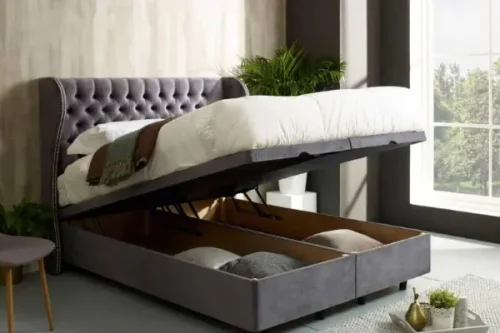
Think of an ottoman bed as a storage frame on steroids. It utilizes a heavy-duty hydraulic gas-lift mechanism to hoist the entire mattress upward. Instead of compartmentalized side drawers, you expose one cavernous storage vault underneath. It remains an excellent solution for consumers stashing off-season inventory or bulky spare linens.
Captain’s beds

Picture a standard bed, but significantly elevated. They pack heavy-duty drawers below the sleep surface. Sometimes they even feature built-in headboard shelving or a hidden roll-out mattress. Because they aggressively exploit every vertical inch of a room, they remain a top-moving SKU for youth bedroom collections and tight guest spaces.
Murphy beds / wall beds

These units literally fold upward, vanishing completely into a wall cabinet. For property developers outfitting tight studio apartments or dual-purpose home offices, this is arguably the ultimate functional solution. The value proposition is blatantly obvious. You instantly reclaim daytime floor space.
Trundle beds

A secondary mattress simply rolls out from beneath the primary frame on casters. Perfect for sporadic sleepovers. Retailers love stocking trundles because they offer immediate, practical hospitality solutions without requiring the consumer to dedicate a full-time spare bedroom.
Bunk beds

This is pure vertical efficiency in action. Bunks stack sleepers directly atop one another to conserve the floor footprint. They are practically mandatory for shared kids’ rooms or tight vacation rental properties where floor play area matters just as much as the sleeping arrangements.
Loft beds

Lofts hoist the sleeping surface high into the air. That leaves the lower floor completely open for a desk, a dresser, or a lounge area. It is an exceptionally strong solution for teen spaces or university dorm contracts where combining sleep and study zones is absolutely critical.
Daybeds

A daybed masquerades as a structural bench or sofa by day and converts to a proper sleep surface at night. They blend seamlessly into home offices. If your client needs a room to look polished during business hours but still accommodate a guest later, this is the easiest pitch to make.
Futons

Futons operate as foldable sofa-beds, but they lean heavily toward the budget-conscious demographic. They are staple items for university dorm suppliers and casual apartments. Just remind your buyers that overall comfort absolutely hinges on the quality of the cushion and frame mechanics.
Sleeper sofas / pull-out couches

Unlike basic futons, these look exactly like standard, high-end living room couches. But inside, they conceal a legitimate fold-out mattress. They are extremely practical for consumers who refuse to compromise their daily seating arrangements for occasional lodging needs.
Adjustable beds

These motorized bases articulate the head and foot zones. Why stock them? Beyond simple TV-watching comfort, they address very real ergonomic demands. It heavily appeals to the demographic seeking a highly customized, premium sleep setup rather than a static, flat surface.
Rollaway beds, folding beds, and cots

Strictly temporary solutions. Keep them heavily stocked in your hospitality and hotel supply catalogs. They offer unbeatable portability and tuck away easily in utility closets. Honestly though, nobody should be using one of these as a primary, everyday bed since the comfort level is inherently limited.
Quick comparison
Bed Frame and Design Types
While functional beds are all about the heavy lifting of raw utility, the frame design dictates the structural skeleton and the architectural vibe of a room. Honestly, this is the exact detail your retail buyers see first. The frame directly manipulates visual weight, headboard silhouette, clearance height, and the overall formality of the bedroom. Top industry guides almost always categorize these SKUs by structure simply because end-consumers judge aesthetics way before they ever start comparing functional specs.
Panel beds

These are the undisputed classics of the furniture world. A standard panel bed features a distinct headboard, footboard, and matching side rails that collectively deliver a substantial, fully realized furniture aesthetic. They move incredibly well in traditional or transitional markets because they just feel completely balanced and safe.
Canopy beds

Picture four towering vertical posts linked by a rigid top frame. Sometimes that upper structure drapes heavy fabric, but leaving it completely bare is trending right now for a crisper aesthetic. These units make a massive visual statement in properties boasting high ceilings, where the aggressive frame actually feels elegant instead of totally suffocating the room.
Poster beds

Similar to the canopy, a poster bed utilizes vertical corner columns, but it skips the bulky overhead connecting frame. You deliver the intense drama of a towering bed without overwhelming the floor plan. Common retail variations you should actively stock include four-poster, low-poster, or half-poster configurations.
Sleigh beds

Instantly recognizable by those sweeping, curved headboards and footboards. Those soft, rolling lines give the piece a highly formal, traditional shape that feels significantly more upscale than a basic flat base. It absolutely crushes it in classic, heritage-style bedroom collections.
Upholstered beds

We are talking fabric (usually velvet or textured linen) wrapping the frame, predominantly focusing on the headboard. It injects a much softer, highly tactile luxury into a room layout. Retailers push these heavily to consumers who genuinely read or work sitting up, since a padded backrest easily beats leaning against cold metal or hard timber.
Wingback beds
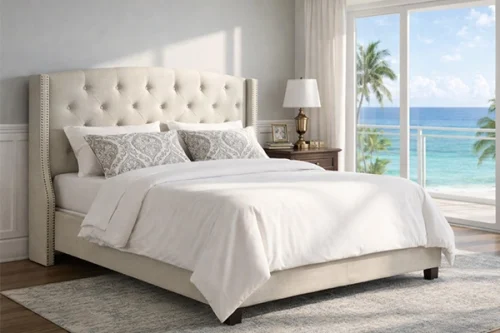
Take a standard upholstered bed and extend side panels outward from the headboard. Those distinct wings forge a tailored, incredibly premium silhouette. From an interior design perspective, pitching wingback units helps your clients mimic a high-end, five-star hotel vibe right in their residential master suites.
Low-profile beds

These frames hug the floor much closer than traditional elevated structures. That significantly lowered stance generates a very open, modern atmosphere and prevents tight spaces from feeling visually jammed up. They are practically mandatory inventory for minimalist or ultra-contemporary decor packages.
Bookcase beds

These brilliantly integrate active shelving directly into the headboard timber. It is a highly practical pitch for voracious readers or compact residential footprints desperately needing extra storage space without cramming in another standalone piece of furniture. It perfectly marries rigid visual structure with daily, real-world convenience.
Slat beds and open-frame beds

These rely on explicitly visible slatted details to project a clean, strictly structured appearance. Because open-frame styles carry drastically less visual mass than heavy, solid panel designs, they feel incredibly light and airy. Both options perform exceptionally well in casual, modern, or relaxed architectural interiors.
Divan beds

Typically, a divan consists of a tightly upholstered base with the mattress resting perfectly flush on top. Often, they pack hidden drawer storage too. The overall aesthetic is ruthlessly simple and highly compact, making them an incredibly strong wholesale bet for urban retailers catering to smaller apartment layouts or consumers demanding a zero-fuss assembly.
Specialty and Less Common Bed Types
Let us talk about the oddballs. Some bed categories sit totally outside the mainstream retail current. Are they valid inventory options? Sure. But honestly, you are only sourcing these units to hit very specific consumer niches or highly specialized interior design contracts.
Waterbeds

Remember those massive water filled bladders from decades ago? They still exist, ditching standard mattress cores entirely for fluid support. Today, however, they represent a microscopic market niche. Why? Because they weigh an absolute ton. They are a logistical nightmare to transport and have largely vanished from standard showroom floors.
Air beds

Let us clear up a common misconception right now. True air beds are completely different from those cheap inflatable mattresses you toss on the floor for surprise houseguests. A proper air bed functions as a legitimate, highly engineered long term sleep foundation.
Round beds

These units practically scream premium custom design. Dropping a round bed into a master suite creates an instant, insanely dramatic focal point. The catch is pretty brutal. Your retail clients will constantly struggle to wedge them into standard architectural layouts, and sourcing custom curved bedding is always a headache.
Hanging beds

Instead of resting firmly on a floor base, hanging units are literally suspended from the ceiling structure. Visually, they are absolutely stunning. But from an installation standpoint, they absolutely require heavy duty architectural reinforcement to avoid a structural disaster.
Hammock beds

These deliver a super casual, ultra relaxed vibe. Honestly though, you are really only pitching these for outdoor patios, themed hospitality projects, or temporary lounging setups. Do not bulk order them expecting daily residential use.
Lighted beds

These frames integrate ambient LED lighting directly into the headboard timber. They do not save floor space or hide bedroom clutter. Their entire retail value proposition relies purely on creating late night convenience and setting a specific mood.
Novelty beds

Think race cars, princess castles, or pirate ships. These are strictly youth oriented SKUs. They definitely make a kid’s bedroom incredibly playful. Just advise your retail partners that parents will inevitably age out of these novelty frames much faster than a standard platform build.
Bed Materials and Interior Styles
Let us pivot away from pure utility. The raw materials and aesthetic styling of a frame do not change how a bed operates physically. But they absolutely dictate showroom appeal and long term durability. When bulk purchasing, this phase is entirely about chasing a specific mood and factoring in maintenance.
Wood

Timber feels inherently warm. Wood frames are incredibly versatile inventory, moving easily across traditional and modern farmhouse retail collections. Solid hardwood commands a premium price, while lighter ash tones help a room feel significantly brighter.
Metal

Steel and iron units strip away the visual bulk of heavy timber. They slide flawlessly into industrial lofts or highly efficient guest suites. From a hospitality standpoint, they are wonderfully easy to sanitize.
Upholstered Fabric

Wrapping a frame in textile injects massive softness. They are perfect for clients chasing a plush, five star hotel aesthetic. The catch? Fabric demands far more cleaning upkeep than bare steel.
Leather or Faux Leather

These instantly build a sleek, hyper tailored silhouette for contemporary suites. Faux leather is far kinder to your wholesale sourcing budget, though genuine hides age differently over a decade of daily use.
Rattan, Cane, and Woven Materials

Woven fibers inherently breathe. They feel remarkably airy and highly decorative. Keep these SKUs strictly targeted toward your coastal or bohemian collections.
To briefly recap the style matrix. Modern contemporary units lean completely into stark simplicity. Traditional mission builds feel rigid and historically structured. Farmhouse and cottage aesthetics practically weaponize warmth. Meanwhile, Scandinavian pieces strip away the visual weight entirely, focusing strictly on organic lines. Industrial looks raw. Bohemian feels beautifully chaotic and layered.
Bottom line? Material dictates the maintenance headache, while style dictates the emotional hook.
How to Choose the Right Type of Bed
Building a profitable inventory order begins with a brutally simple question.
What exact spatial headache is this specific piece actually curing?
You really need to coach your retail clients to qualify their end-users in a strict sequence. Floor footprint first. Then occupant comfort, followed by raw utility, and finally, the overall aesthetic vibe. Relying on this exact hierarchy is the only way to avoid pushing a visually stunning showroom frame that completely bombs in a cramped residential bedroom.
Choose based on room size

- Small bedroom: low-profile, storage, loft, or Murphy beds can free up space.
- Shared bedroom: bunk beds, twin beds, or captain’s beds often work best.
- Studio apartment: daybeds, futons, sleeper sofas, and Murphy beds help one room serve more than one purpose.
- Guest room: trundle beds, daybeds, and sleeper sofas are practical options.
- Primary bedroom: you usually have more freedom to prioritize comfort, size, and style.
Choose based on who will use it

- Child: twin, bunk, or novelty bed
- Teen: loft bed, full bed, or captain’s bed
- Solo adult: full or queen
- Couple: queen, king, or California king
- Occasional guest: daybed, trundle, or sleeper sofa
Choose based on your priority

- Save space: Murphy, loft, or bunk bed
- Add storage: storage bed or ottoman bed
- Improve comfort: upholstered or adjustable bed
- Create a luxury look: canopy, wingback, or sleigh bed
- Furnish a dual-use room: daybed, futon, or sleeper sofa
Choose based on maintenance and mobility

- Need easy cleaning: wood or metal frames are simpler to maintain.
- Need a softer feel: upholstered beds are comfortable but need more upkeep.
- Need hidden storage: lift-up beds offer space, but the mechanism adds complexity.
- Need easy moving or assembly: simpler frames are usually easier to relocate and set up.
Best Types of Beds by Use Case

Need a rapid fire strategy for stocking your warehouse? Just match the SKU to the specific job it actually needs to perform. Honestly, approaching your bulk purchasing from an aesthetic angle first is a rookie mistake. Industry data shows a very clear pattern. The absolute best-selling units consistently solve immediate spatial or lifestyle headaches for the end consumer.
- Best for small rooms: Murphy beds, built in storage units, lofts, daybeds, and futons aggressively conserve square footage. They force a single cramped room to pull double duty.
- Best for couples: Queen beds remain the undisputed standard for shared sleeping arrangements. Obviously, King and California King models deliver significantly more personal breathing room. Upholstered and panel builds typically dominate these primary bedroom sales.
- Best for kids: Twin frames, bunks, elevated lofts, and trundle setups perform exceptionally well here. They naturally fit into smaller secondary bedrooms and adapt quickly to growing kids.
- Best for guest rooms: Daybeds, fold out futons, and sleeper sofas are insanely practical. They cater perfectly to rooms where the mattress is not seeing nightly action.
- Best for style-focused bedrooms: Canopy frames, towering poster beds, sleigh units, and plush upholstered designs drop the heaviest visual anchor.
A golden rule to pass along to your retail partners. Filter by available room space first, evaluate the sleeper second, and worry about the style last. That specific hierarchy guarantees a highly practical, low return rate result.
Final Thoughts
Let us be completely honest here. The absolute best bed to stock isn’t the most expensive, nor is it the most visually stunning piece. It is the specific SKU that perfectly solves your end user’s floor plan, storage headaches, comfort demands, and budget constraints. Always start your sourcing with raw function. Confirm the exact dimensions. Then pick the aesthetic style. Nailing that specific order makes wholesale purchasing a breeze and guarantees a much smarter long term inventory investment.


 English
 Spanish
 Portuguese
 Russian
 Arabic
 Japanese
 Korean
 German
 French
