

Torn between a wood bed frame and a metal bed frame?
This choice affects more than just your bedroom’s look — it can influence your comfort, sleep quality, and how long your bed lasts.

Since you’ll spend nearly a third of your life in bed, the frame you choose becomes the foundation for both rest and style.
Wood offers natural warmth and timeless appeal, while metal brings sleek durability and modern convenience.
Each comes with its own strengths and trade-offs, from cost and sturdiness to eco-friendliness.
In this guide, we’ll break it all down so you can decide which frame fits your lifestyle and home best.
Wood Bed Frames

Wooden bed frames have stood the test of time, and for good reason.
They bring a natural charm to any bedroom and often become the centerpiece of the space.
Whether you’re drawn to rustic oak, sleek walnut, or budget-friendly pine, wood frames offer a wide variety of styles that fit both modern and traditional interiors.
Beyond looks, they provide dependable support, making them a reliable long-term choice for many households.
Pros of Wood Bed Frames
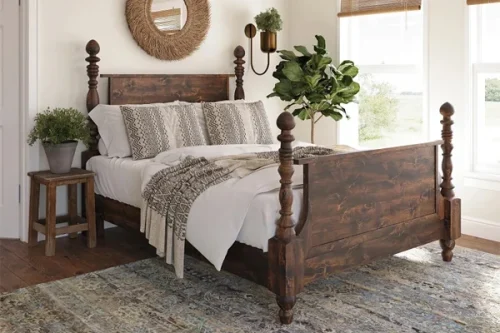
- Natural warmth and inviting aesthetic – Wood instantly softens a room, adding comfort and coziness that metal can’t easily match.
- Versatile style – From farmhouse to minimalist, wood adapts effortlessly to nearly any décor.
- Sturdy and creak-resistant – A solid hardwood frame tends to stay quiet and steady, even after years of use.
- Durability – High-quality hardwoods like oak or maple can last for decades with proper care.
- Customizable – Unlike metal, wood can be stained, painted, or carved, giving you more room for personalization.
- Eco-friendly potential – When sourced from FSC-certified wood, frames are a renewable and sustainable option.
- Practical storage – Many wooden frames are built with drawers or space underneath, adding functionality.
Cons of Wood Bed Frames

- Heavy and less portable – Moving a wooden frame, especially a king-size one, can be a two-person job.
- Higher upfront cost – Solid hardwood or artisan-built frames can be expensive compared to standard metal models.
- Regular maintenance required – Occasional polishing, waxing, or sealing helps protect the surface and keep it looking new.
- Prone to wear and tear – Scratches, dents, and even warping can occur if not maintained properly.
- Fire risk – As a natural material, untreated wood is more flammable than metal, though this is rarely a deciding factor for most buyers.
Metal Bed Frames

Metal bed frames have gained popularity for their sleek look, affordable pricing, and easy mobility.
They’re often the go-to choice for renters, students, or anyone who prefers a practical, no-fuss setup.
Made from steel or iron, these frames are strong enough to hold heavier mattresses while remaining lighter and more portable than their wooden counterparts.
Their minimalist style also makes them a great fit for smaller spaces or modern interiors.
Pros of Metal Bed Frames
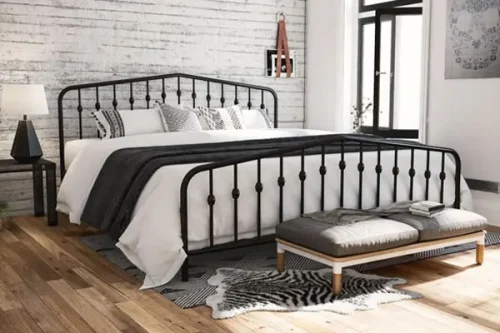
- Affordable and widely available – A metal bed frame is usually the most budget-friendly option, making it accessible to almost anyone.
- Lightweight and portable – Easy to move, disassemble, and reassemble, which is especially useful if you relocate often.
- Durable support – Designed to carry heavy loads without sagging, metal frames work well with larger or hybrid mattresses.
- Resistant to pests and humidity – Unlike wood, metal won’t attract termites or absorb moisture, making it more resilient in damp climates.
- Adjustable options – Some metal frames allow you to expand the size or change the height to fit your mattress needs.
- Modern and minimalist style – Clean lines and simple finishes complement contemporary or industrial-style bedrooms.
Cons of Metal Bed Frames
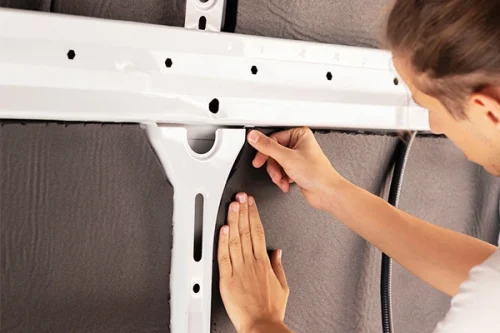
- Can squeak over time – Loose joints or metal-on-metal contact often create noise, which may disturb light sleepers.
- Risk of rust – Without proper care, especially in humid environments, paint chips or scratches can expose metal to corrosion.
- Cooler and less inviting feel – Metal doesn’t offer the same warmth as wood, so you may need to layer with textiles for coziness.
- Less of a focal point – If you want your bed to be the anchor of your room, a minimalist frame may not have the same presence as wood.
- Electromagnetic field (EMF) concerns – Some people worry that metal conducts EMFs, though scientific evidence is limited.
- Stability issues with cheaper models – Low-quality frames may feel flimsy, leading to poor support and reduced comfort.
Wood vs Metal: Key Comparisons
Which Bed Frame Fits Your Lifestyle?

Choosing between wood and metal isn’t just about the technical details — it’s also about how the frame fits into your day-to-day life.
Here’s how to decide based on different lifestyles:
- For families: A solid wood bed frame is often the better choice. Its sturdy build can withstand kids jumping on the mattress, and many designs include storage drawers that help keep toys, blankets, or bedding neatly tucked away. Plus, the natural warmth of wood makes a bedroom feel more inviting for family life.
- For renters or frequent movers: Metal frames are the clear winner here. They’re lightweight, easy to assemble, and quick to disassemble without special tools. If you move apartments often or enjoy rearranging your space, a metal frame will save you a lot of hassle compared to hauling a heavy wooden frame.
- For eco-conscious buyers: Sustainability matters. FSC-certified wooden frames ensure the wood is responsibly sourced, making them a renewable option. On the other hand, some metal frames are made from recycled or upcycled steel, offering an eco-friendly alternative with a long lifespan. Both options can work if purchased thoughtfully.
- For allergy-sensitive sleepers: Metal frames tend to be better because they collect less dust and are easier to clean. Their simple design reduces the number of hidden corners where allergens like dust mites can build up, making them a practical choice for sensitive sleepers.
- For luxury seekers: If style and craftsmanship are your top priorities, a solid hardwood frame or a custom wood design will feel worth the investment. These pieces are not just functional but can also serve as statement furniture, elevating your bedroom’s overall aesthetic.
Hybrid Options: Wood + Metal Frames

If you’re struggling to choose between wood and metal, a hybrid frame might be the perfect middle ground.
These designs combine the strength and durability of metal with the warmth and style of wood, giving you the best of both worlds.
The metal provides stability and long-term support, while the wooden accents add character and coziness to your space.
Hybrids are also versatile — you’ll find everything from sleek modern frames with wooden headboards to rustic styles reinforced with metal legs.
Often priced between full wood and full metal options, they strike a balance that appeals to both budget-conscious and style-focused buyers.


 English
 Spanish
 Portuguese
 Russian
 Arabic
 Japanese
 Korean
 German
 French
