

Choosing between a latex and memory foam mattress can be tough, but understanding their key differences makes the decision easier.
Both offer unique benefits, from the contouring feel of memory foam to the bouncy and breathable nature of latex.
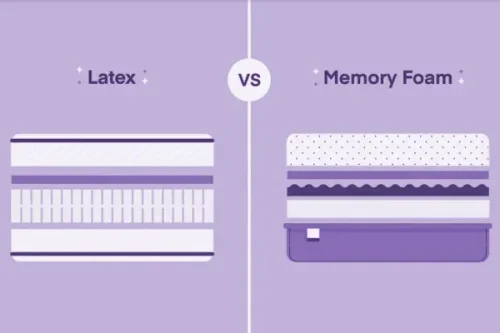
In this guide, we’ll compare the two to help you decide which mattress type is best for your sleep needs.
Let’s get started!
What is Memory Foam?

Memory foam is a type of polyurethane foam that’s known for its ability to contour to your body.
It was originally developed by NASA to improve seat cushioning, and now it’s widely used in mattresses, pillows, and more.
When you lie on a memory foam mattress, the foam softens with the heat from your body and molds to your shape.
This provides excellent pressure relief and can help alleviate aches and pains.
It’s perfect for side sleepers or anyone needing support for their joints and spine.
There are different types of memory foam:
- Traditional Memory Foam: Known for a slower response time and deep contouring.
- Gel Memory Foam: Infused with gel to help keep you cooler and offer a bit more bounce.
- Open-Cell Foam: Features a more breathable structure, helping reduce heat retention.
Overall, memory foam is a great option if you’re looking for deep compression support and motion isolation for a more restful, undisturbed sleep.
What is Latex Foam?

Latex foam is made from the sap of the rubber tree and is known for its bounce and responsiveness.
It’s a more natural option compared to memory foam, especially when made from natural latex.
The foam is processed in one of two ways: the Dunlop or Talalay method, each affecting the texture and firmness.
- Dunlop latex is denser and firmer, giving more support.
- Talalay latex is softer and more breathable, offering a slightly bouncier feel.
Latex foam is great for people who prefer a firmer mattress or need extra bounce for easier movement while sleeping.
It’s also naturally cooling, as it allows more air to flow through the foam, keeping heat at bay.
Whether you choose natural or synthetic latex, this material is known for its durability, offering a long-lasting, eco-friendly option for a good night’s sleep.
Key Differences: Latex vs Memory Foam
When choosing between latex and memory foam, it’s important to understand their unique characteristics.
Here’s a side-by-side comparison of the key features to help you decide which one fits your sleep style:
Pros and Cons of Memory Foam

Pros:
- Pressure Relief: Memory foam contours to your body, providing support for pressure points, especially for side sleepers.
- Motion Isolation: It absorbs movement, so you won’t feel your partner tossing and turning.
- Comfort: Provides a cozy, cradling feel that’s great for those with back or joint pain.
- Durability: High-quality memory foam lasts for years with proper care.
Cons:
- Heat Retention: Tends to trap heat, making it less ideal for hot sleepers (though cooling versions are available).
- Slow Response: Takes a few seconds to adjust when you move, making position changes slower.
- Heavy: Memory foam mattresses can be tough to move or adjust.
- Sagging: Lower-end models may sag over time, especially under heavy pressure.
Memory foam is ideal for pressure relief and motion isolation, but it may not be the best choice for hot sleepers or those who move around a lot during the night.
Pros and Cons of Latex Foam

Pros:
- Breathability: Latex foam is naturally breathable, helping to keep you cool throughout the night.
- Responsive: It quickly bounces back when you move, making it easier to change positions while sleeping.
- Durability: Latex mattresses, especially natural latex, are long-lasting and resistant to wear and tear.
- Eco-Friendly: Natural latex is made from rubber trees, making it a more sustainable option compared to synthetic materials.
- Support: Provides solid support without the “stuck” feeling, which is great for active sleepers.
Cons:
- Heavy: Latex mattresses can be quite heavy and harder to move around.
- Expensive: High-quality natural latex can be more expensive than other mattress types.
- Less Pressure Relief: While supportive, latex doesn’t contour as deeply as memory foam, which might not be ideal for those needing more pressure relief.
- Noise: Some latex mattresses, especially synthetic ones, can be slightly noisy when you move.
Latex foam is a great option for cool sleep, durability, and those who prefer a more responsive mattress.
However, it can be heavier and pricier than memory foam.
Which Mattress is Better for Your Sleep Needs?

Choosing the right mattress depends on your sleep preferences:
- Pressure Relief: If you need extra support for pain or pressure points, memory foam is ideal, especially for side sleepers.
- Cooling: Latex is more breathable, making it the better choice for hot sleepers.
- Motion Isolation: Memory foam excels at reducing motion transfer, perfect for couples.
- Active Sleepers: Latex offers better responsiveness and bounce, making it easier to move around.
- Durability: Latex tends to last longer, with natural latex lasting up to 15 years.
Consider what matters most for your comfort, and choose the mattress that fits your needs.
Price Comparison and Value for Money
When it comes to price, memory foam and latex mattresses can vary quite a bit:
- Memory Foam: Generally more affordable, with prices ranging from $700 to $2,000 depending on the brand and quality. You can find budget-friendly options that still provide great comfort and support.
- Latex Foam: Typically more expensive, especially natural latex mattresses, which can range from $1,500 to $4,000. Synthetic latex or blended latex options are more affordable but still costlier than memory foam.
While memory foam may offer a more budget-friendly option, latex mattresses often provide better durability and eco-friendly benefits, making them a long-term investment.
Ultimately, if you’re looking for durability and longer lifespan, latex offers great value for money, while memory foam delivers solid comfort at a more accessible price.
How to Choose Between Latex and Memory Foam

Choosing between latex and memory foam depends on your specific needs.
Here’s a quick guide to help you decide:
Go for Memory Foam if:
- You want deep pressure relief and comfort, especially for side sleeping.
- You need motion isolation to minimize disturbances from a partner.
- You’re on a budget, as memory foam is generally more affordable.
Go for Latex if:
- You sleep hot and need a mattress that’s naturally cooler and more breathable.
- You prefer a responsive mattress with bounce that makes it easier to move around.
- You’re looking for a durable, eco-friendly option, as latex lasts longer and is made from natural materials.
Ultimately, choose based on your comfort preferences, sleep needs, and budget. Both types offer great benefits, so think about which features matter most for your sleep quality.


 English
 Spanish
 Portuguese
 Russian
 Arabic
 Japanese
 Korean
 German
 French
