

Waking up with a sore neck?
Your mattress might be part of the problem.
When your mattress doesn’t support your neck and spine properly, your muscles stay tense overnight — leading to pain and stiffness in the morning.
The right mattress type can help keep your spine aligned and reduce pressure on your neck while you sleep.

It’s not about softness — it’s about support in the right places.
In this guide, you’ll learn which mattress types are best for neck pain relief, how sleep position and body type play a role, and what features really matter when choosing a mattress that helps you feel better, not worse.
Can a Mattress Cause or Worsen Neck Pain?

It can — and often does.
If your mattress doesn’t keep your neck and spine aligned, it puts pressure on your muscles while you sleep.
A mattress that’s too soft can let your head sink, while one that’s too firm may not support your neck’s natural curve.
The result?
You wake up sore, stiff, or restless.
Not sure if your mattress is the issue?
If your neck feels better when you sleep somewhere else, that’s a good sign your bed isn’t doing its job.
How Sleep Position Influences Neck Pain
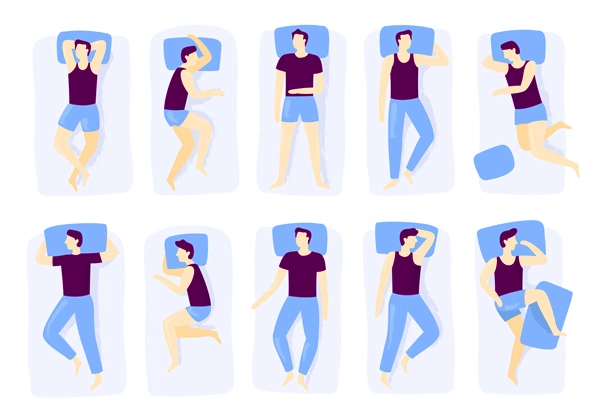
Your sleep position plays a big role in how your neck feels when you wake up.
Why?
Because different positions affect how your spine and neck align — and not all positions offer the same support.
Side Sleepers
If you sleep on your side, your shoulders need to sink in enough so your neck stays level.
A medium or medium-soft mattress with good contouring helps relieve pressure.
Pair it with a higher-loft pillow to keep your head aligned with your spine.
Back Sleepers
Back sleepers usually do best with a medium-firm mattress that supports the natural curve of the neck without letting it sink.
A low to medium-loft pillow works well here — just enough to fill the gap without pushing your head forward.
Stomach Sleepers
This position puts the most strain on your neck, since it forces your head to twist sideways.
If you sleep this way, look for a firm mattress that keeps your body flat and a very thin pillow or none at all.
Even better?
Try training yourself to switch to your side or back.
Best Mattress Types for Neck Pain

Not all mattresses support your neck the same way.
If you’re waking up sore, the type of mattress you sleep on matters.
The right one keeps your head, neck, and spine aligned while gently easing pressure.
Let’s break down which mattress types can actually help — and which ones might make things worse.
Hybrid Mattresses
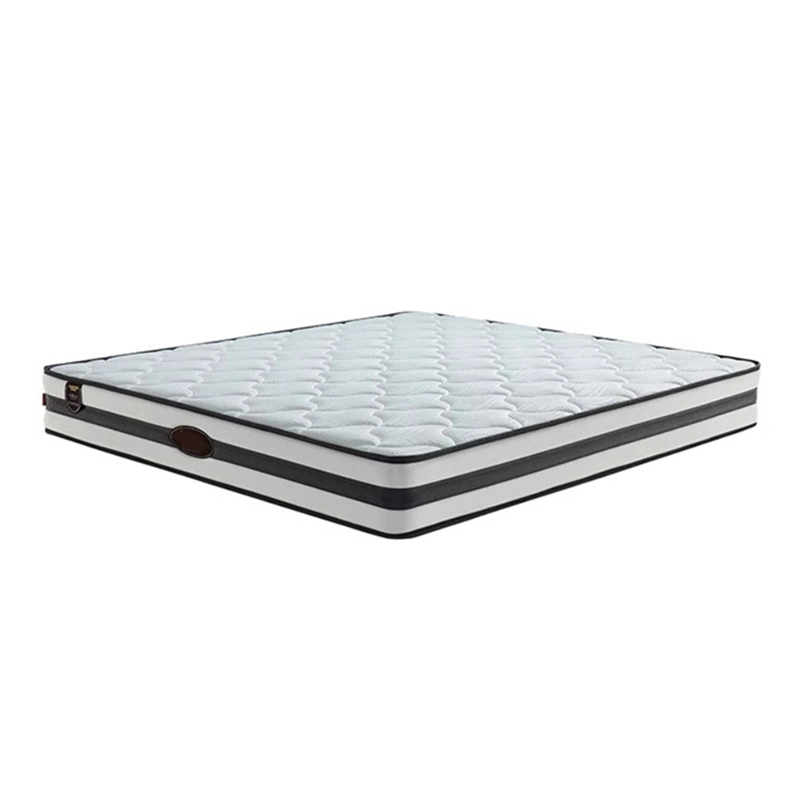
Hybrid mattresses combine foam or latex layers with coil support.
This mix offers contouring around your shoulders and neck while keeping your spine aligned.
If you switch positions at night or need balanced support, a hybrid is often a safe and effective choice.
Memory Foam Mattresses
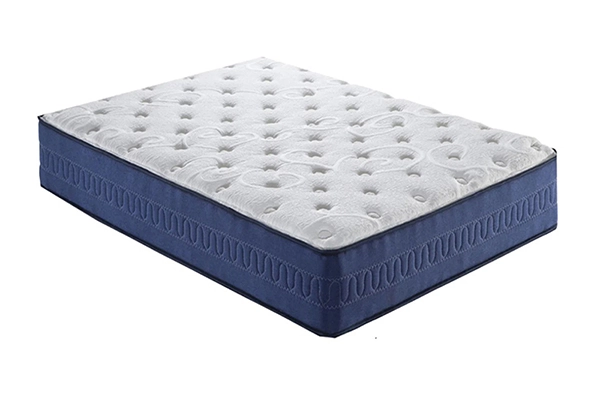
Memory foam molds closely to your body, which helps relieve pressure on your neck and shoulders.
A medium to medium-firm feel usually works best — too soft and your head may sink, throwing off alignment.
If you like a hugging feel and sleep on your back or side, memory foam can be a good fit.
Latex Mattresses
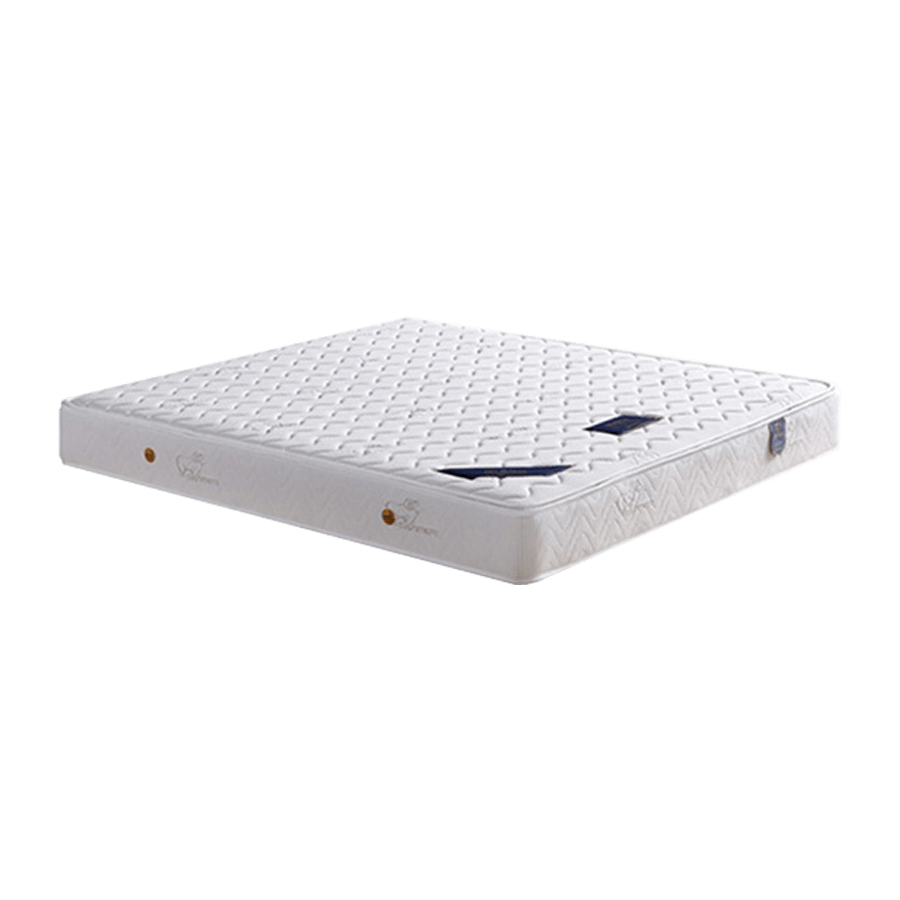
Latex feels more responsive than memory foam, so it’s easier to move around on.
It also offers solid support with light contouring — helpful for maintaining a neutral neck position.
Natural latex is also breathable and durable, making it a smart option for hot sleepers or those wanting more bounce.
Innerspring Mattresses

Traditional innersprings are firmer and more bouncy, but they don’t contour as well as other types.
That can lead to gaps between your neck and the bed — especially for side sleepers.
They may work for stomach sleepers who need a flat surface, but they’re usually not the top pick for neck relief.
Airbeds (Adjustable)
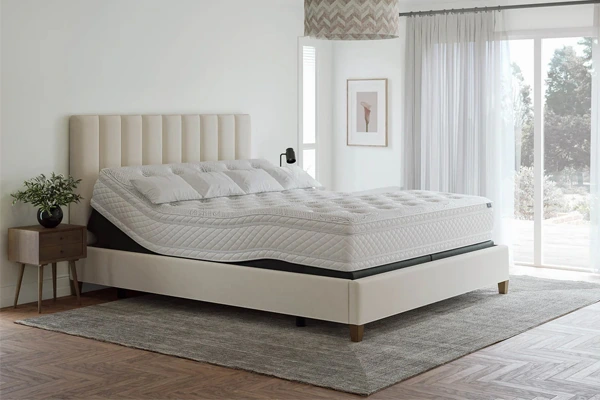
Airbeds let you change the firmness by adjusting air chambers — great if your needs vary or you share your bed.
Some models even have separate zones for each side.
They can be helpful for chronic neck pain if you want full control over support levels.
Mattress Features That Matter Most

When it comes to neck pain, certain mattress features matter more than others.
Here’s what to look for:
- Spinal alignment: Keeps your head, neck, and spine in a neutral position to reduce strain.
- Medium-firm feel: Offers the right balance of support and comfort for most sleepers.
- Pressure relief: Helps reduce tension around your shoulders and neck — ideal for side sleepers.
- Contouring support: Fills in the natural curves of your body for better alignment.
- Motion isolation: Minimizes movement if you share a bed — helpful for light sleepers.
- Edge support: Prevents sagging and makes it easier to get in and out of bed.
- Cooling materials: Keeps you comfortable through the night; latex and open-cell foams are good options.
Choosing Based on Body Type

Your body weight affects how a mattress feels — and how well it supports your neck.
Here’s what to keep in mind:
Lighter sleepers (under 150 lbs)
Tend to feel mattresses as firmer than intended.
A medium or medium-soft mattress offers better contouring to support the neck and shoulders.
Average-weight sleepers (150–250 lbs)
Do well with a medium-firm mattress, which balances support and pressure relief for most sleep positions.
Heavier sleepers (over 250 lbs)
Need a firmer mattress with strong support layers to prevent sinking and misalignment, especially around the shoulders and upper back.
No matter your size, the key is keeping your neck and spine aligned — and choosing a mattress that helps your body stay level through the night.
Pillows and Accessories That Help with Neck Pain

Even the best mattress can’t do the job alone — your pillow plays a huge role in keeping your neck supported.
Here’s how to get it right:
- Side sleepers
Need a high-loft pillow to fill the space between your head and shoulder, keeping your neck in line. - Back sleepers
Do best with a medium or low-loft pillow that supports the curve of your neck without pushing your head forward. - Stomach sleepers
Should use a thin pillow or none at all to avoid twisting the neck unnaturally.
Latex and memory foam pillows offer stable, contouring support that holds shape through the night — a solid pick for most sleepers.
Other helpful accessories:
- Adjustable bed bases let you raise your head slightly to reduce neck strain.
- Mattress toppers can fine-tune firmness if your current mattress isn’t quite right.
The goal?
A setup that keeps your head, neck, and spine comfortably aligned — without effort.
Tips to Reduce Neck Pain While Sleeping

Neck pain doesn’t always start with your mattress — sometimes it’s how you sleep on it.
Here are a few easy tips to help reduce strain and wake up feeling better:
- Avoid stomach sleeping
It twists your neck to one side and flattens the natural curve of your spine. Try shifting to your back or side. - Use the right pillow for your sleep position
Make sure your pillow fills the space between your head and mattress without lifting or dropping your neck. - Keep your spine aligned
Whether you’re on your back or side, your neck should be in line with the rest of your spine — not angled up or down. - Stretch gently before bed
A few light stretches can relax tight neck muscles and make it easier to fall asleep comfortably. - Stay consistent
Sleeping on the right surface with good posture night after night gives your body time to heal and adjust.
Small adjustments can make a big difference. Focus on support, alignment, and comfort — every night.


 English
 Spanish
 Portuguese
 Russian
 Arabic
 Japanese
 Korean
 German
 French
