

Trying to decide between a plush and a medium mattress?
It’s a common choice—but which one fits your sleep needs?

Do you want that soft, cushioned feel, or something with more balanced support?
In this guide, you’ll quickly learn the key differences between plush and medium mattresses—how they feel, who they’re best for, and how to pick the right one for your body and sleep style.
Let’s find the mattress that helps you sleep comfortably and wake up refreshed.
What Is Mattress Firmness?

Before choosing between plush and medium, you need to understand mattress firmness—because it’s more than just “soft” or “firm.”
Firmness refers to how much a mattress compresses under your weight.
A softer mattress lets you sink in more, while a firmer one holds you up with less give.
It’s usually rated on a scale from 1 to 10, where:
- 1–3 = Plush or soft
- 4–6 = Medium
- 7–10 = Firm
But here’s the catch: firmness doesn’t equal support.
You can have a soft mattress that supports your spine, or a firm one that doesn’t suit your sleep position.
So, how do you figure out what’s right for you?
That’s where comparing plush and medium really starts to make sense—and we’re about to break it down.
Plush Mattress: Features, Pros, and Cons

Ever laid down on a bed and felt like you were being gently hugged?
That’s the plush mattress experience.
It’s soft, cushiony, and designed to let your body sink in more than a firmer option.
But is that a good thing for you?
Let’s break it down.
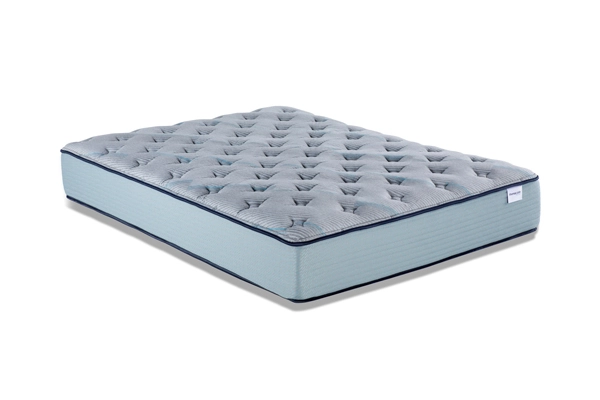
What Is a Plush Mattress?

A plush mattress typically falls between 1 and 3 on the firmness scale.
It has extra-soft comfort layers—like memory foam or pillow tops—that cradle your body, especially around pressure points like your hips and shoulders.
You’ll feel more “in” the bed than “on” it. If you enjoy a gentle, sinking sensation when you lie down, plush might already sound like your style.
Pros and Cons of a Plush Mattress
Medium Mattress: Features, Pros, and Cons

Not too soft, not too firm—medium mattresses often hit the sweet spot.
If you’re unsure what feel you need or sleep in more than one position, this might be exactly what you’re looking for.
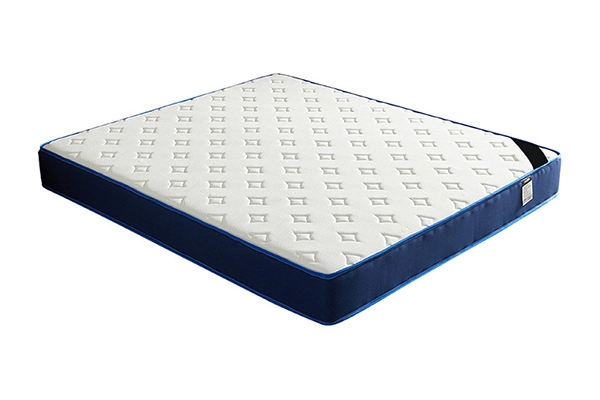
What Is a Medium Mattress?

A medium mattress typically falls between 4 and 6 on the firmness scale.
It offers a balanced blend of cushioning and support, meaning it contours just enough to relieve pressure without letting you sink too deep.
You’ll feel like you’re sleeping “on” the mattress, with just enough give to stay comfortable and supported through the night.
Pros and Cons of a Medium Mattress
A medium mattress works well for a wide range of people—especially if you’re a back sleeper, a combination sleeper, or simply unsure what you need.
It’s also a smart pick for guest rooms or couples with different sleep preferences.
Plush vs Medium Mattress: Key Differences
Still torn between plush and medium?
Sometimes, it’s easier to decide when you can see how they stack up across the areas that actually matter—like comfort, support, and how they suit your sleep style.
Here’s a quick side-by-side breakdown to help you compare.
The takeaway?
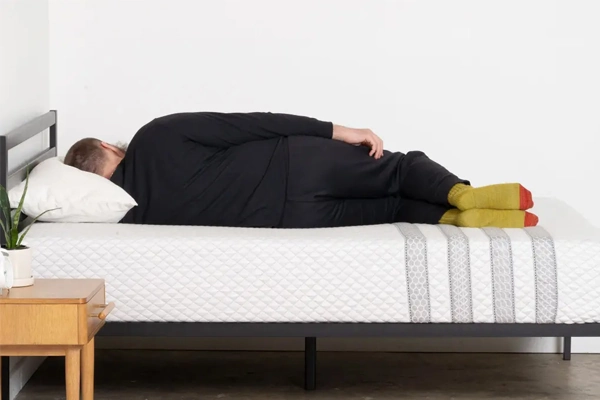
A plush mattress offers a soft, cradling feel that’s great for pressure relief—especially if you sleep on your side.
A medium mattress delivers more versatility, making it a reliable choice if you shift positions or share your bed.
How to Choose Based on Sleep Position
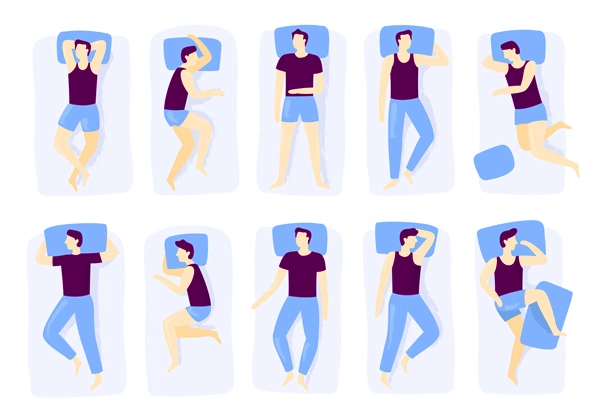
Your sleep position says a lot about what kind of mattress you need.
The goal?
Keep your spine aligned and avoid pressure where it doesn’t belong.
So—how do you sleep?
Side Sleepers
Wake up with sore hips or shoulders?
You’re likely sinking into a mattress that’s too firm.
Plush mattresses offer soft cushioning that relieves pressure on your joints and keeps your spine in a healthier position.
Back Sleepers
Need something that supports your lower back without feeling stiff?
A medium mattress gives you that balance—just enough give for comfort, with the support to prevent sagging.
Stomach Sleepers
Feel like your back arches when lying flat?
That’s a red flag.
You’ll want a medium or firmer mattress to keep your midsection from dipping too deep and throwing off alignment.
Combo Sleepers
Toss and turn at night?
Then flexibility is key.
A medium mattress is your best bet—it adapts to different positions so you don’t wake up feeling off.
How to Choose Based on Body Type
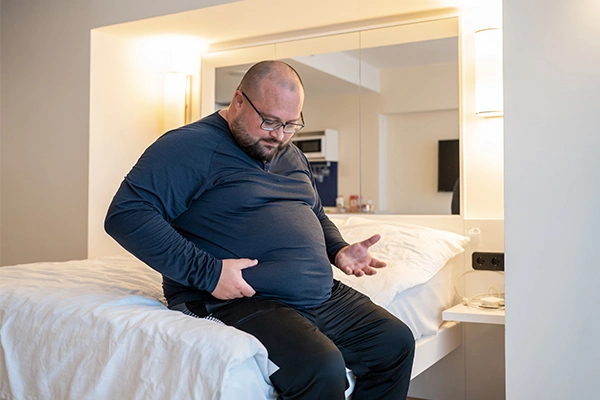
Not all firmness levels feel the same for every body.
Here’s how your weight can shape the way a mattress feels:
Under 130 lbs (Petite):
- Plush mattresses often feel more comfortable and supportive.
- Medium may feel firmer than expected.
- Best for: side sleepers or anyone who found medium “too firm.”
130–230 lbs (Average):
- Medium mattresses offer a good balance of comfort and support.
- Plush can still work, especially for side sleepers.
- Best for: combo sleepers, back sleepers, couples.
Over 230 lbs (Plus-Size):
- Plush may lack long-term support or feel too soft.
- Medium or medium-firm helps with spine alignment and easier movement.
- Look for mattresses with firmer base layers and high-density foam.
Back Pain, Joint Pain & Medical Needs

Waking up sore or stiff?
Your mattress might be part of the problem.
Got Back Pain?
Does your lower back feel tight in the morning?
That’s often a sign your mattress isn’t giving enough support.
A medium or medium-firm mattress usually works best—it keeps your spine in better alignment without letting your hips dip too far.
Not a fan of firmer beds?
Try adding a plush topper to a medium mattress.
That way, you keep the support and still get that softer feel.
Dealing with Joint Pain?
If your hips or shoulders feel achy, especially when you sleep on your side, you may need more pressure relief.
A plush mattress can help by cushioning those high-pressure areas and easing joint tension.
Just be careful—too much softness can throw off your posture and cause more problems down the line.
Other Things to Think About
- Have trouble turning over? Medium mattresses make movement easier.
- Working on posture or injury recovery? Stick with medium or medium-firm for extra stability.


 English
 Spanish
 Portuguese
 Russian
 Arabic
 Japanese
 Korean
 German
 French
