

Choosing the right bed size is one of the most important decisions you’ll make when setting up your bedroom.
Whether you’re moving into a new home, upgrading your current bed, or simply looking to get a better night’s sleep, the bed size you choose can have a big impact on your comfort, space, and even the overall feel of your room.
Imagine this: you’re finally ready to relax after a long day, and the last thing you want is to feel cramped in a too-small bed or overwhelmed by a mattress that’s just too big for your space.

But don’t worry, it doesn’t have to be stressful.
With the right bed size dimensions, you can easily find the perfect match that fits both your comfort and your room layout.
In this guide, we’ll walk you through everything you need to know about bed sizes, from Twin to California King.
You’ll learn about their dimensions, how to choose the right one for your lifestyle, and even how to measure your space to ensure a perfect fit.
Whether you’re a solo sleeper, a couple, or someone looking for more room to stretch out, we’ve got you covered.
Let’s get started on finding the best mattress size that will transform your sleep experience!
Understanding Bed Sizes

When it comes to choosing the right bed size, understanding the dimensions is crucial.
Not all mattresses are the same, and choosing the wrong size can lead to wasted space or discomfort.
Below, we’ll break down the most common bed sizes you’ll encounter, helping you better understand their differences and which one suits your needs.
Here’s a quick look at the most popular bed sizes and their dimensions:
As you can see, bed sizes can vary significantly.
The most popular size by far is the Queen because it strikes a balance between comfort and space efficiency.
However, depending on your needs and the size of your room, a Twin or King might be the better option for you.
Why the Differences Matter

Each size offers a unique set of benefits depending on who is using it, how much room you need, and the layout of your bedroom.
- Twin and Twin XL mattresses are great for single sleepers in compact spaces. If you’re setting up a child’s room or a guest room, these are often ideal choices.
- Full size beds offer more space but aren’t as large as Queen or King, making them suitable for solo sleepers who want more room or couples who don’t mind getting cozy.
- Queen mattresses are the most versatile size and are great for couples or individuals who like a little extra space to move around.
- If you’re in need of plenty of room, a King or California King offers just that, especially for couples or individuals who prefer extra legroom or sleep with pets.
Can This Be Presented Visually?
Absolutely!
The above chart and information can easily be adapted into a visual specification sheet or infographic.
This would make it even easier for readers to quickly scan through the different sizes and choose the one that suits their needs.
You could pair this with visual representations of each bed size in a typical room layout to give readers a better idea of how much space they would need for each option.
If you’re creating this content for a website or blog, a side-by-side comparison chart or visual guide can help enhance the reader’s experience and make the process of choosing a bed size feel much more intuitive.
By understanding the basic dimensions of each bed size, you’re already one step closer to choosing the best mattress for your comfort and lifestyle!
Bed Size Dimensions: A Breakdown

Now that you’ve got an overview of bed sizes, let’s dive deeper into the specific dimensions of each bed size to help you make the best choice for your bedroom.
Each size offers its own set of benefits, so it’s essential to know exactly what you’re working with.
Below is a detailed breakdown of the most popular bed sizes, what they are ideal for, and how they stack up in terms of length and width.
1. Twin (38″ x 75″)

- Dimensions: 38 inches wide by 75 inches long
- Best For: Single sleepers, children, or smaller rooms (like dorms, guest rooms, and apartments).
The Twin mattress is the smallest standard mattress size available.
It’s perfect for a single sleeper who needs a compact bed for a small room.
Twin beds are commonly used for kids’ rooms or guest rooms, as they don’t take up much space.
Keep in mind that if you are tall, a Twin may feel cramped, especially because its length is on the shorter side.
For those who need a little extra length, the Twin XL might be a better fit.
2. Twin XL (38″ x 80″)

- Dimensions: 38 inches wide by 80 inches long
- Best For: Taller individuals, dorm rooms, and small spaces.
The Twin XL is 5 inches longer than the standard Twin, making it a better option for taller sleepers (anyone over 6 feet).
Like the Twin, it’s still compact enough to fit into small rooms but offers the added benefit of more legroom.
Twin XLs are popular choices for college students and those in shared living spaces.
3. Full (54″ x 75″)

- Dimensions: 54 inches wide by 75 inches long
- Best For: Solo sleepers who need more space, or couples who don’t mind cozy sleeping arrangements.
The Full mattress, also known as a Double, is the next step up from the Twin in terms of width.
It offers more space for an individual who likes to spread out or move around during sleep.
While it’s still compact, it provides enough room for couples who don’t mind being close together.
However, the Full size may feel a bit cramped for two people who prefer more space.
If you’re taller, you may also find the 75-inch length a little short—consider opting for a Full XL.
4. Queen (60″ x 80″)

- Dimensions: 60 inches wide by 80 inches long
- Best For: Couples, solo sleepers who like extra space, and those in medium-sized bedrooms.
The Queen is the most popular bed size for couples.
With 60 inches of width, it offers ample space for two people to sleep comfortably without feeling cramped. It’s also ideal for solo sleepers who prefer more room to spread out.
The Queen’s length of 80 inches is standard, offering plenty of space for most individuals, including those on the taller side.
It’s a great balance of comfort and space efficiency, fitting well in most master bedrooms or medium-sized rooms.
5. King (76″ x 80″)

- Dimensions: 76 inches wide by 80 inches long
- Best For: Couples who like extra space, those who sleep with pets, or anyone who wants a more luxurious sleep experience.
A King size mattress is perfect for those who need plenty of room to stretch out.
At 76 inches wide, it provides each person with the equivalent of a 38-inch wide space—almost the size of a Twin bed!
This mattress is great for couples who prefer extra space or individuals who share the bed with pets or children.
With the same 80-inch length as the Queen, the King provides a roomy experience but may require a larger bedroom to fit comfortably.
6. California King (72″ x 84″)

- Dimensions: 72 inches wide by 84 inches long
- Best For: Taller individuals who need more legroom, or those who want extra length.
The California King is the longest bed size available.
At 72 inches wide and 84 inches long, it offers extra space for taller sleepers who need more room for their legs.
While it is narrower than the King by 4 inches, its extra length makes it the ideal choice for those who are over 6 feet tall.
If you’re looking for a mattress that provides plenty of legroom, the California King will allow you to stretch out fully without your feet hanging off the edge.
Choosing the Right Size for Your Needs
The bed size you choose will depend on several factors, including:
- Who will be sleeping in the bed: Single sleepers typically choose a Twin, Full, or Queen, while couples often opt for a Queen, King, or California King for extra space.
- Room size: Larger beds require more space. Be sure to measure your room before choosing a bed size to avoid overcrowding.
- Sleep style: If you sleep with a partner or a pet, you might prefer the additional space provided by larger sizes like the King or California King.
By understanding the dimensions of each bed size, you can confidently choose the best mattress for your needs, ensuring a great night’s sleep and a comfortable fit for your room!
Choosing the Right Bed Size Based on Your Needs

Now that you have a clearer understanding of bed dimensions, the next step is deciding which bed size is the right fit for your specific needs.
Whether you’re a solo sleeper in need of a cozy retreat or a couple seeking ample space, there’s a perfect mattress size that will suit your sleep style, room size, and comfort preferences.
Let’s break it down based on different scenarios.
1. For Single Sleepers
If you’re sleeping alone, you’ll want a bed that balances comfort and space without overwhelming your room.
There are a few great options depending on how much room you prefer:
- Twin (38″ x 75″)
A Twin mattress is ideal for small rooms, children, or if you’re looking to save space. It’s the narrowest bed, perfect for a guest room or studio apartment. However, if you’re over 6 feet tall, you may feel cramped due to its shorter length. If that’s the case, a Twin XL might be a better choice, offering extra legroom. - Full (54″ x 75″)
A Full size mattress provides more space than a Twin, which is great for solo sleepers who need a little extra room to stretch out but still have limited space. If you like to sleep in a spread-out position, the Full might be the perfect middle ground. However, if you need the room for your personal belongings or want more comfort, consider stepping up to a Queen. - Queen (60″ x 80″)
If you’re a solo sleeper who enjoys extra space while sleeping or if you share the bed with pets, the Queen gives you plenty of room to sprawl without feeling like the bed is consuming your entire room. Queen beds are the most popular choice for individual sleepers and fit well in medium-sized rooms.
2. For Couples

When you share a bed with a partner, the bed size becomes even more important.
You want enough space for both of you to sleep comfortably without feeling cramped.
Here are the most common choices for couples:
- Full (54″ x 75″)
A Full is fine for couples who don’t mind being close together, but it’s generally too small for most couples, especially if you like to spread out. It’s often a better choice for smaller rooms, but if you and your partner both value comfort and space, you may want to look at larger options. - Queen (60″ x 80″)
The Queen is the most popular bed size for couples because it provides a comfortable amount of space without taking over the room. Each partner has about 30 inches of space, which is ample for most people. It’s also a great size if you have a medium-sized bedroom, as it doesn’t take up too much space while still offering room for both sleepers. - King (76″ x 80″)
A King is the ultimate option for couples who need a lot of space to stretch out. With 38 inches of space per person, it’s the equivalent of sleeping in two Twin beds side by side. If you have a large bedroom and you value comfort and personal space, the King is a dream choice. It’s also a great fit for couples with pets or young children who like to climb into bed. - California King (72″ x 84″)
If you and your partner are both tall, the California King could be a game-changer. It’s longer than a King bed, offering extra legroom for people over 6 feet tall. The only downside is that it’s slightly narrower than the King, so it might not provide as much side-to-side space if you’re someone who values wide sleeping space.
3. For Families or Those Who Need More Room

If you’re someone who shares the bed with multiple people (like children or pets), or if you just prefer more room to move around, larger beds can be a game changer.
In this case, you’ll likely be looking at King or California King mattresses, but there are a few things to consider:
- King (76″ x 80″)
The King provides a huge amount of space, making it a great choice if you have a growing family or sleep with pets. The wide 76-inch width gives each person enough room to stretch out, making this perfect for family beds where you all want to cuddle up together or sleep comfortably side-by-side. - California King (72″ x 84″)
The California King is perfect if you or someone in your family is exceptionally tall and needs more legroom. Its extra length makes it perfect for taller individuals, but it’s also narrower than a King, so it might not be the best fit if side-by-side sleeping is a priority.
4. For Small Spaces
Not every bedroom has the luxury of a lot of space.
If you’re working with a small room, you’ll want a bed size that balances comfort with space efficiency.
Here’s what works best for smaller bedrooms:
- Twin (38″ x 75″)
For small rooms or tight spaces, the Twin is the best option. It takes up the least amount of room, so you’ll have plenty of space for furniture, walking areas, and other items. While it’s ideal for single sleepers and children’s rooms, keep in mind that it’s on the shorter side and may not suit taller individuals. - Full (54″ x 75″)
A Full size mattress is a great middle ground. It’s wider than a Twin, offering more space for sleeping, but it’s still small enough to fit in tight bedrooms. If you’re looking to maximize space but don’t want to go too small, the Full is a solid option.
Key Takeaways for Choosing Your Bed Size
- For single sleepers, the Twin or Full are your go-to choices, with the Queen being a great choice if you want extra space.
- For couples, the Queen is the most popular, while the King and California King offer more room for those who need extra space.
- If you have a small room, consider the Twin or Full, but don’t be afraid to size up to a Queen if it fits your space comfortably.
- For those who are tall or sleep with pets, a King or California King is your best bet for a comfortable sleep experience.
Choosing the right bed size is all about balancing comfort with practicality.
Once you find the right fit for your room and lifestyle, you’re well on your way to enjoying the perfect night’s sleep!
How to Measure Your Space for the Perfect Fit

When choosing a bed size, it’s important to remember that the mattress isn’t the only factor to consider—room dimensions play a major role in determining the perfect fit.
You’ll want to ensure that your bed doesn’t crowd the room and that there’s enough space for comfortable movement, additional furniture, and storage.
Here’s a simple, step-by-step guide on how to measure your space to make sure your new bed fits like a dream.
1. Measure the Dimensions of Your Room
The first thing you’ll need to do is measure the length, width, and height of your room.
This will give you a clear idea of how much space you’re working with and help you determine which bed size fits best.
- Use a Tape Measure: Grab a tape measure or measuring tape and measure the length and width of your room. Be sure to measure from wall to wall, making sure to avoid obstructions like windows, doors, or existing furniture that might affect the layout.
- Consider the Height: Although height isn’t as critical as length and width, if you’re thinking about a lofted bed or a high-profile frame, it’s worth measuring the ceiling height to avoid a cramped feeling.
2. Create a Layout
Once you’ve measured your room’s dimensions, it’s time to consider how the bed will fit within the space.
Here are some things to think about when planning your layout:
- Leave Room Around the Bed: Ideally, you want to leave at least 2-3 feet of space around the bed for easy movement. This will allow you to comfortably walk around, make the bed, and move around at night without bumping into furniture.
- Placement Considerations: Think about where the bed will go in the room. You want it to be in a spot where it won’t block access to windows, closets, or other important areas of the room. Keep in mind the headboard—if you have a high or elaborate headboard, make sure it doesn’t crowd other furniture or cause you to feel confined in the room.
- Furniture Arrangement: Factor in space for nightstands, dressers, and other furniture. If you plan to have additional furniture next to your bed, ensure that there is enough room to open drawers, move around, and access other parts of the room.
3. Account for Foot Traffic and Flow
It’s easy to get caught up in just the measurements of the bed and the room itself, but don’t forget to consider how the space will feel when you actually use it.
Here are a few things to keep in mind regarding the flow of the room:
- Easy Access to the Bed: Make sure that the bed is easy to get in and out of, and that it’s not blocking the flow of foot traffic. If you plan to place the bed against the wall, make sure there is still enough room on the opposite side to get in and out of bed without issue.
- Room Functionality: Consider how the room is used. If you need extra storage or space for activities like reading or working, make sure the bed doesn’t take up all the available space. You might want to leave room for a small desk or chair if your room serves more than one function.
4. Use Furniture Templates or Virtual Tools
Sometimes visualizing how the bed will fit in the room can be tricky.
Here are a few methods you can use to make the process easier:
- Furniture Templates: Many furniture stores or websites offer printable furniture templates that you can cut out and place on the floor to help you visualize where the bed will go. These templates are usually to scale and will help you understand how much space the bed will take up in the room.
- Virtual Room Planning Tools: There are many online tools and apps (like Roomstyler, SketchUp, or Ikea’s Home Planner) that allow you to input your room dimensions and drag-and-drop furniture into a virtual layout. This way, you can see how different bed sizes will fit in your room before making a decision.
5. Consider Door and Window Placement
While measuring the bed’s footprint, don’t forget to consider the door placement and windows in your room.
A few things to keep in mind:
- Windows: You’ll want to ensure that your bed doesn’t block the window, especially if you enjoy natural light. Place the bed so that it aligns with the window, or on the opposite wall, but make sure you’re not blocking ventilation or light.
- Doors: Make sure that the bed placement doesn’t restrict access to the room’s door. You’ll want to be able to open the door fully without obstruction, and you don’t want the bed to block closet doors or bathroom access if you have an en-suite.
6. Double-Check the Bed Dimensions
Finally, once you have your room measured and the layout planned, check the dimensions of the bed frame and mattress you’re considering.
Many bed frames come with slightly different dimensions based on their design (for example, platform beds vs. box spring beds).
Be sure to factor in both the mattress size and frame size to get a complete picture.
Tips for Making the Most of Your Space

- Consider Multi-Use Furniture: If you’re in a small room, look for multi-functional furniture like a lofted bed that gives you space underneath for a desk or storage. This can maximize space while still giving you the bed size you need.
- Use Vertical Space: In smaller rooms, use your walls for shelves and storage to free up floor space. This can help make a larger bed feel less overwhelming by keeping other areas of the room open.
Final Thoughts
Measuring your space before choosing a bed size is essential to ensure that your new bed fits perfectly in your room and enhances the overall flow of your space.
By carefully measuring the room, accounting for foot traffic, and using online tools, you can confidently choose the right bed size for your needs without worrying about overcrowding or uncomfortable layouts.
Taking the time to consider these aspects will ensure that your bedroom remains functional, comfortable, and a peaceful place to relax!
Pros & Cons of Each Bed Size

To help you make a clear and informed decision about the perfect bed size for your needs, we’ve created a visual specification table that outlines the pros and cons of each bed size.
This will give you a quick overview of how each size stacks up in terms of comfort, space efficiency, and suitability for different sleep situations.
Key Takeaways:
- Smaller rooms or apartments: Opt for a Twin or Full size if you need to save space but still want comfort.
- Couples: Queen is often the sweet spot, while a King or California King offers more space if desired.
- Tall individuals: Consider the Twin XL, King, or California King for added length.
This table makes it easy to compare each bed size at a glance, so you can decide based on your space, comfort needs, and budget.
The right bed will make all the difference in achieving a peaceful, restful night’s sleep!
Additional Considerations Before Buying a Mattress

Before you finalize your decision on which bed size works best for your room, it’s important to consider a few additional factors that will impact your comfort, sleep quality, and overall satisfaction with your mattress.
The mattress you choose is just as important as the bed size itself, so here are some key considerations to keep in mind:
1. Mattress Firmness
The firmness of your mattress plays a significant role in how comfortable and supportive your sleep will be.
Here are some factors to help guide your choice:
- Soft vs. Firm: A softer mattress is great for side sleepers who need pressure relief on their hips and shoulders, while a firmer mattress is better for back or stomach sleepers who need support for their spine.
- Personal Preference: Everyone has different comfort preferences. If you’re unsure, consider trying out different firmness options in a store to get a feel for what suits you best.
2. Mattress Type

The type of mattress you choose will affect both your sleep quality and bed budget.
There are several types to choose from:
- Memory Foam: Ideal for pressure relief and motion isolation, great for couples. It conforms to your body shape and helps reduce pressure points.
- Innerspring: Known for being bouncy and providing more edge support. Innerspring mattresses are typically more breathable and a good choice for those who sleep hot.
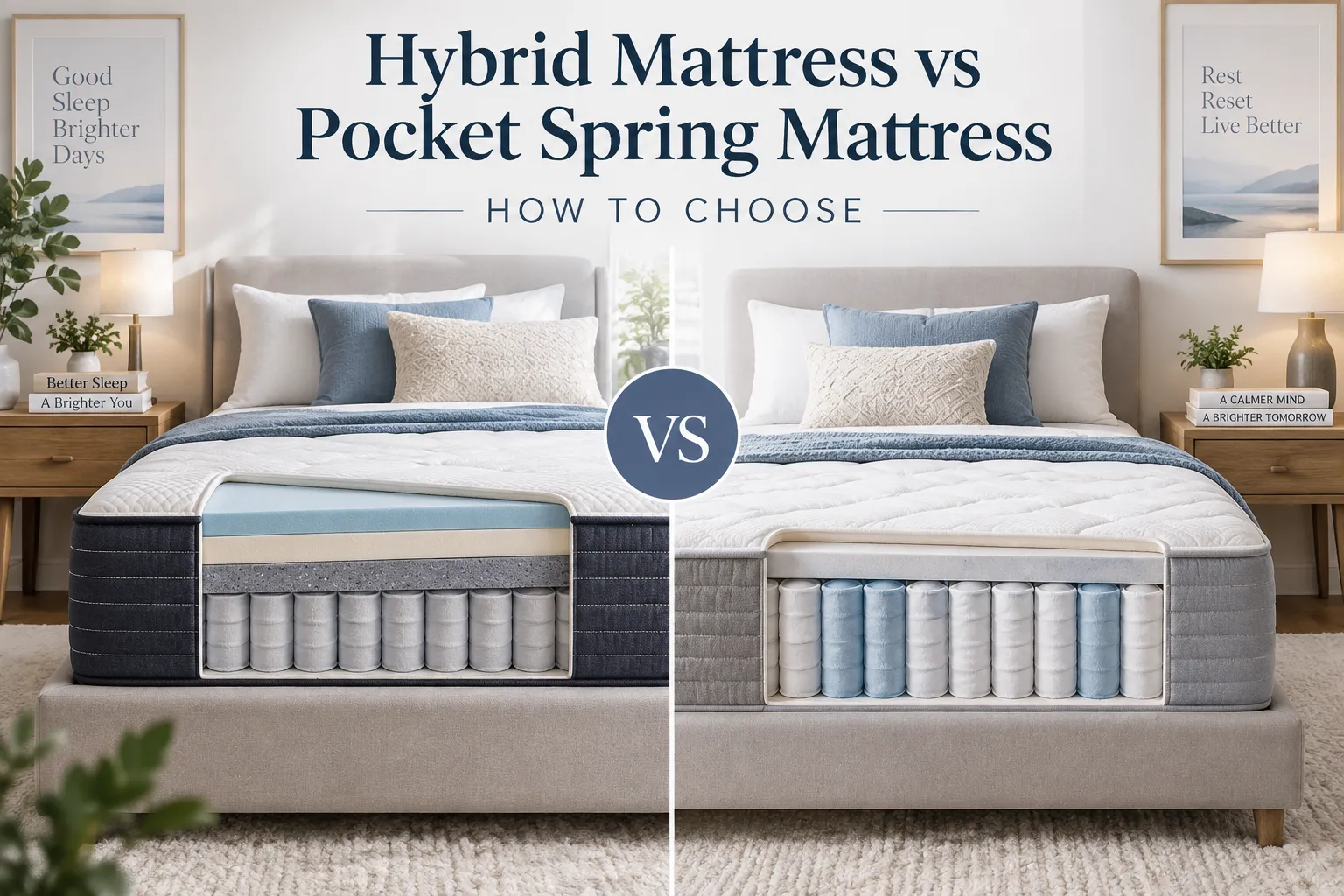
- Hybrid: A combination of memory foam and innerspring coils, offering the best of both worlds—support, comfort, and breathability.
- Latex: Known for its durability and natural materials, latex mattresses are a good option for those seeking a more eco-friendly solution.
Choose a mattress type that best supports your sleeping position, comfort preferences, and any health conditions (such as back pain).
3. Mattress Thickness

Mattress thickness varies from about 8 inches to over 16 inches.
While a thicker mattress may sound luxurious, it’s not always the best choice for everyone. Consider the following:
- Thicker Mattresses (12+ inches): These provide more cushioning and comfort, but may not be necessary for people who prefer a firmer feel or sleep in a smaller room where a lower-profile bed is preferred.
- Thinner Mattresses (8-10 inches): These are typically firmer and can work well for smaller individuals or those who prefer a firmer sleeping surface. They are also easier to move and fit better in spaces with lower clearance.
Choosing the right thickness depends on your comfort preference, body type, and whether you need extra support for your back or joints.
4. Durability and Warranty
A high-quality mattress is an investment, so it’s important to look for one that’s built to last.
Pay attention to:
- Durability: Mattresses made from high-density foam or durable innerspring coils tend to last longer. Memory foam and latex mattresses are generally known for being more durable over time.
- Warranty: Most reputable mattress brands offer warranties ranging from 10 to 25 years. Look for a mattress with a solid warranty that covers defects or sagging. Don’t forget to check the terms, including return and exchange policies.
5. Budget
Mattresses can be quite the investment, so setting a budget ahead of time is essential.
Keep in mind that while a higher price often reflects better materials and durability, there are also great options available at lower price points.
You can find a quality mattress without spending a fortune.
- Mid-Range: Most people find that a mattress in the $500 to $1,500 range offers the best balance of quality and price.
- High-End: Premium mattresses, such as luxury brands or those made with natural materials, can range from $2,000 to $5,000 or more.
Consider financing options or sales if you’re on a budget, but always prioritize quality and comfort over cost alone.
6. Temperature Regulation
If you tend to sleep hot, temperature regulation should be a priority when choosing a mattress.
Some mattress materials trap heat and can cause discomfort, while others offer cooling properties:
- Cooling Gel Memory Foam: Helps dissipate heat, making it ideal for people who sleep warm.
- Breathable Materials: Mattresses with cotton, linen, or organic wool covers tend to breathe better and keep you cooler through the night.
- Hybrid and Innerspring: Generally offer better airflow due to the open coil structure, making them cooler options for hot sleepers.
Look for a mattress designed for temperature control if you’re prone to overheating at night.
7. Edge Support
Edge support is important if you tend to sleep on the edge of the bed or if you share your mattress with a partner.
A mattress with strong edge support can provide more sleeping surface and help prevent the mattress from sagging along the edges over time.
- Innerspring and Hybrid Mattresses: Usually offer the best edge support due to their coil system.
- Memory Foam: Can have weaker edge support unless it’s specifically designed with reinforced sides.
Ensure the mattress you choose offers adequate edge support if you frequently sit or sleep near the edge of the bed.
8. Noise
No one likes a squeaky mattress, and some mattress types can be louder than others:
- Innerspring mattresses are known to make more noise, especially if the coils aren’t reinforced or the mattress is older.
- Memory foam and latex mattresses are virtually silent, making them ideal for those who want a quiet sleeping environment.
Choose a mattress type that aligns with your noise preference, especially if you’re a light sleeper or share your bed with a partner.
9. Sleep Trials and Returns
Many mattress brands offer sleep trials that allow you to test the mattress in your home for a set period, often 30-100 days.
During this period, you can return the mattress for a full refund if it doesn’t meet your needs. It’s a good idea to:
- Check the return policy: Ensure that the mattress offers a hassle-free return process if it turns out not to be the right fit.
- Understand the trial period: Know how long the trial lasts and what conditions apply before returning the mattress.
Final Thoughts
Before you make your purchase, consider all these factors to ensure you’re getting the best mattress for your sleep style, comfort preferences, and budget.
The right mattress can improve your sleep quality, help alleviate pain, and provide much-needed comfort for years to come.
So take your time, do your research, and choose wisely!
Cost Considerations

When it comes to purchasing a bed, one of the most important factors to consider is the cost.
The price of your mattress and bed frame can vary greatly depending on various elements such as size, material, brand, and additional features.
While a higher price tag often indicates better quality and durability, there are still plenty of great options that won’t break the bank.
Here are some important cost-related aspects to keep in mind when purchasing a bed and mattress:
1. Mattress Price Range
The price of a mattress can vary significantly depending on the size, material, and brand.
Here’s a breakdown of what you might expect to pay for each type:
- Budget Mattresses: Prices typically range from $200 to $500. These are often made with basic foam or innerspring materials. While they may lack advanced features, budget mattresses can still provide decent support for a few years. Ideal for people looking for a temporary solution or those on a tight budget.
- Mid-Range Mattresses: Most buyers fall into this category, with prices ranging from $500 to $1,500. This range includes memory foam, hybrid, and latex mattresses, offering a balance of comfort, support, and durability. If you’re seeking a mattress that’s going to last for several years with solid quality and comfort, this is a great price point to look at.
- Premium Mattresses: Prices can range from $1,500 to $5,000 or more. These mattresses often feature luxury materials like organic cotton, natural latex, or high-end memory foam. If you’re looking for a mattress with advanced features like customized firmness, advanced cooling technology, or longer-lasting materials, be prepared to invest in a higher-end model.
2. Bed Frame Costs
In addition to the mattress, the bed frame plays a crucial role in both the aesthetics and support of your sleep setup.
Here’s what you can expect in terms of pricing:
- Basic Frames: Prices typically start around $100 to $300. These frames are simple, no-frills designs that get the job done without any added features.
- Mid-Range Frames: Ranging from $300 to $700, these frames might come with additional features such as built-in storage, adjustable bases, or a more stylish design. They offer a good balance of quality and functionality.
- High-End Frames: Luxury bed frames can range from $700 to $2,500 or more. These are typically made from higher-quality materials like solid wood, metal, or upholstered fabrics and are designed to add a premium touch to your bedroom.
3. Additional Costs

When budgeting for your new bed, there are several additional costs to consider that might not be immediately obvious:
- Pillows: A high-quality pillow can cost anywhere from $20 to $200, depending on the type (memory foam, latex, down, etc.) and brand. Don’t forget that a good pillow can help improve your sleep quality and support your neck and spine.
- Bedding: Sheets, blankets, comforters, and mattress protectors can add anywhere from $50 to $300 or more to your total bed cost, depending on the materials and brands you choose.
- Delivery & Setup Fees: Many mattress retailers charge delivery fees, ranging from $50 to $150. Some retailers also offer setup services for an additional fee, which can cost around $100 to $300 depending on the complexity of the bed assembly.
- Mattress Removal Fees: If you’re replacing an old mattress, many companies offer mattress removal services for a fee of around $50 to $100. This can save you time and effort when it comes to disposing of your old mattress.
4. Financing Options
If you’re on a tight budget or simply prefer to break up the cost of your mattress over time, many retailers offer financing options.
These might include:
- 0% APR Financing: Some mattress companies offer special financing plans with no interest for a specific period (often 6-12 months). This can be a great option if you want to pay off the mattress in manageable installments without worrying about interest rates.
- Installment Plans: Some retailers allow you to split the cost into monthly payments over a longer period, such as 24 or 36 months, making the purchase more affordable in the short term. However, be aware that interest rates may apply after the introductory period ends.
Before choosing a financing plan, it’s important to read the fine print to ensure there are no hidden fees or interest charges.
Some plans may include deferred interest, which can significantly increase the overall cost if the balance isn’t paid off within the allotted time.
5. Mattress Lifetime and ROI
A more expensive mattress might feel like a hefty investment at first, but consider its long-term value.
On average, a good mattress can last anywhere from 7 to 10 years or even longer with proper care.
When evaluating the cost, think about:
- Cost per Year: If you spend $1,000 on a mattress that lasts for 10 years, it breaks down to just $100 per year, which might be a great value compared to buying a new mattress every 3-4 years for $300.
- Quality vs. Cost: Investing in a higher-quality mattress could help you avoid frequent replacements and potential sleep-related health issues. Look for a mattress with a solid warranty and return policy to ensure you’re getting good value.
6. Seasonal Discounts and Sales
If you want to save money on your new bed, consider shopping during certain times of the year when mattress retailers offer discounts and promotions:
- Holiday Sales: Many companies have big sales during major holidays such as Black Friday, Labor Day, and Memorial Day. These sales often include significant markdowns, sometimes as much as 30% or more off.
- Clearance Sales: Look for clearance events, where retailers are trying to move older models to make room for newer inventory. This can be an excellent opportunity to snag a high-quality mattress at a reduced price.
- Online Discounts: Some online mattress retailers offer exclusive deals or discount codes. You can often find better prices online, but make sure to factor in shipping costs.
Final Thoughts on Cost Considerations
While cost is undoubtedly an important factor in your mattress purchase, it’s crucial to strike a balance between your budget and the value of the mattress.
A higher upfront cost may provide better durability, comfort, and support, saving you money in the long run.
Keep in mind that buying a bed is an investment in your health and comfort, so consider the total cost—including delivery, setup, and accessories—when planning your purchase.
By doing your research, considering financing options, and keeping an eye out for sales, you can find a high-quality mattress and bed setup that fits both your needs and your budget.
How to Choose the Right Bed Size for Your Bedroom Layout

Choosing the right bed size is more than just about comfort—it’s about finding a balance between your personal preferences and the size of your room.
The layout of your bedroom plays a major role in determining the best bed size for your needs.
If you choose a bed that’s too large or too small for your space, it can make your room feel cramped or unbalanced.
Let’s walk through how to make sure you’re selecting the perfect bed size based on your room’s dimensions and design.
1. Measure Your Room Before Choosing a Bed Size

The first step in selecting the right bed size is to measure your bedroom accurately.
Knowing the dimensions of your room will help you avoid choosing a bed that’s either too large to fit or too small for the space.
Here’s how to do it:
- Room Dimensions: Measure the length and width of your bedroom. For a comfortable setup, leave at least 2 to 3 feet of space around the bed for easy movement and to ensure your room doesn’t feel too crowded.
- Placement: Think about where you want your bed to go in the room. Consider leaving space for nightstands, dressers, or other furniture. The bed should ideally be placed in a way that complements the natural flow of the room.
Use these measurements to help determine if a Queen, King, or California King bed will fit comfortably without blocking doorways or windows.
2. Bed Size vs. Room Size
Once you’ve measured your room, it’s time to match the bed size with your room’s dimensions.
Here’s a quick guide:
- Small Rooms (Under 100 sq. ft.): If your room is on the smaller side, it’s better to choose a Full or Queen bed. These sizes allow for enough space to move around while still offering sufficient sleeping area.
- Medium Rooms (100-200 sq. ft.): A Queen bed is often the perfect choice for most medium-sized rooms. It’s large enough to provide comfort while not overwhelming the space. A Full bed is another option for smaller couples or individuals who want more space.
- Large Rooms (200 sq. ft. and up): A King or California King bed works best for larger rooms, where the bed can be the focal point of the space without making it feel cramped. If you have a spacious bedroom, these bed sizes provide plenty of space for sleeping and allow you to keep other furniture pieces comfortably in the room.
3. Consider Furniture and Other Features

Besides the bed, your bedroom may include other essential furniture items such as nightstands, dressers, and wardrobes.
When choosing your bed size, think about how these pieces will fit around the bed:
- Nightstands: Make sure there’s enough space on both sides of the bed for nightstands or lamps. Each nightstand generally needs 18–24 inches of space on either side of the bed to avoid feeling crowded.
- Storage: If you’re opting for a larger bed size, make sure your room has adequate storage space for your belongings. Under-bed storage can help if you’re tight on space. Some beds come with built-in drawers or space for storage bins, which can be an excellent choice for smaller rooms.
- Walking Space: Ensure that there’s enough room to move comfortably around the bed. Aim for at least 2–3 feet of space around all sides of the bed to allow for easy walking, especially if the room has a walk-in closet or additional furniture.
4. Future Flexibility
While it’s important to choose a bed size based on your current needs, you should also consider your future needs:
- Family Considerations: If you plan to grow your family or have a partner who needs more sleeping space, you might want to invest in a larger bed from the get-go.
- Room Use: If you’re unsure about how your space will be used in the future (for example, if you might downsize to a different apartment or want flexibility), consider opting for a more adaptable size like a Queen, which is a happy medium between large and small.
A King bed may seem like the perfect luxury at first, but it’s important to make sure it fits your current lifestyle and room layout—while also keeping in mind the possibility of future changes.
5. Room Aesthetics and Design

The design of your room plays a huge part in making the bed size work within the space.
Here are a few design tips to consider:
- Room Style: If your bedroom has a minimalist style with neutral tones, a King or California King bed can be a bold centerpiece. However, if your room is more cozy or compact, a Full or Queen bed will keep the space feeling open and relaxed.
- Proportions: A King bed can overwhelm a smaller room, especially if you have low ceilings. In contrast, a Full or Queen bed can make the space feel more balanced and less crowded. Make sure the proportions of your bed align with the room size to avoid a cluttered feeling.
Using lighter colors for the walls and flooring can also make a room feel bigger and more open, making it easier to fit a larger bed without overwhelming the space.
6. Other Practical Considerations
- Ceiling Height: If your room has low ceilings, a large bed may make the space feel even more cramped. Opting for a platform bed or a bed with a lower profile can help create a sense of airiness.
- Foot Traffic: If you have a lot of foot traffic in the room, such as walking from the bed to a closet or bathroom, make sure your bed size doesn’t block the natural flow of movement. Keeping the bed centrally positioned and leaving space for traffic can help avoid congestion.
Final Tips for Choosing the Right Bed Size
- Don’t Overcrowd Your Space: A bed should enhance the room, not dominate it. Opt for a bed size that leaves enough room for movement and other furniture.
- Prioritize Comfort Over Size: Choose a bed size that offers both comfort and practicality, rather than simply going for the largest option available. Sometimes, less is more in terms of space.
Choosing the right bed size for your bedroom layout is a balance of practicality and comfort.
Consider your room’s dimensions, furniture, and design preferences to make sure the bed you select works with your space, not against it.


 English
 Spanish
 Portuguese
 Russian
 Arabic
 Japanese
 Korean
 German
 French
