

If you’ve ever had a futon that left you tossing and turning all night, you’re not alone.
While futons are a versatile and budget-friendly solution for small spaces, they’re not always the most comfortable option for sleeping, especially if you’re used to the plush feel of a traditional mattress.
Whether you’re using a futon for guests, in your college dorm, or as a space-saving piece in your living room, comfort might not always be at the top of the list when choosing one.

But here’s the good news: making your futon more comfortable is easier than you might think!
In this guide, we’ll walk you through a few simple and effective ways to boost the comfort of your futon, ensuring that both you and your guests can sleep soundly without breaking the bank.
So, let’s dive in and learn how to turn your futon from a functional piece of furniture into a cozy and supportive sleep spot!
Understand What Makes a Futon Comfortable

When it comes to futons, comfort is a balancing act.
These versatile pieces of furniture often combine functionality and affordability, but comfort varies widely depending on the design and materials.
Let’s explore what makes a futon comfortable and how you can identify the right one for your needs.
What Is a Futon?
A futon is a multi-functional piece of furniture that typically doubles as a bed and a couch.
The traditional Japanese futon, also known as a “shikibuton,” is lightweight, frameless, and placed directly on the floor.
It is valued for its simplicity and support, making it a staple in Japanese homes.
On the other hand, Western-style futons are often built with wooden or metal frames and come with thicker mattresses, making them bulkier but more versatile for sitting and sleeping.
Factors That Affect Futon Comfort
Mattress Thickness and Material:
Traditional futons are filled with cotton batting, which can become compact over time. Western futons often use foam, memory foam, or innerspring components, providing different levels of cushioning and support.
Thicker mattresses generally offer more support but can also reduce portability.
Frame Design:
A sturdy frame is essential for comfort. Wooden frames are durable and stable, while metal frames are lightweight but may creak or bend over time.
Ensure the mattress aligns perfectly with the frame to avoid gaps or uneven surfaces.
Intended Use:
Think about whether your futon will be used primarily for sitting, sleeping, or both. This will help determine the type of mattress and frame most suited to your needs.
Sleeping Style and Body Type:
Side sleepers often prefer softer surfaces to cushion pressure points like the hips and shoulders, while back sleepers benefit from firmer support.
Durability and Maintenance:
Over time, futons can sag or lose their shape. Regular maintenance, like flipping and rotating the mattress, can help maintain comfort.
What to Look For When Shopping for a Futon
- Minimalist Design: Avoid futons with excessive decorative elements like buttons or zippers that can create uncomfortable pressure points during sleep.
- Quality Materials: Opt for futons with high-density foam or hybrid mattresses for better durability and support.
- Customization Options: Consider futons that allow you to swap or upgrade mattresses to adapt to changing needs.
Understanding these factors will help you assess what your futon might be missing and what adjustments or enhancements can make it more comfortable for your specific situation.
Next, let’s dive into actionable tips to transform your futon into a cozy haven.
Ways to Improve Comfort: Key Strategies

Futons, while versatile and cost-effective, often fall short when it comes to providing the comfort you need for a good night’s sleep.
Fortunately, there are several easy and affordable ways to boost comfort and transform your futon into a cozy, supportive bed.
Whether you’re dealing with an old futon or simply want to improve its comfort level, these strategies will help you get the best sleep possible.
1. Add Slats Under the Mattress

One of the simplest and most effective ways to enhance comfort is by improving the support underneath your futon mattress.
If your futon starts to feel saggy or you can feel the slats underneath, it’s time to address the foundation.
- Why It Works: Adding extra slats to the futon’s frame increases the surface area and prevents sagging, providing consistent support across the mattress. This is especially important if you’re noticing that the mattress feels uneven.
- DIY Solution: Visit your local home improvement store and purchase 1×4 wooden slats. Drill these into the existing frame to fill the gaps and ensure the mattress sits more evenly. This simple upgrade can work wonders without breaking the bank.
2. Use a Memory Foam or Latex Mattress Topper

If your futon mattress is too thin or not providing enough cushioning, a mattress topper is your best friend.
These affordable additions can completely transform the comfort level of your futon.
- Why It Helps: A memory foam topper molds to your body, providing pressure relief for common trouble spots like your hips and shoulders. It also absorbs motion, so you won’t be disturbed if someone moves while sleeping.
- How to Use: Simply place the topper over your futon mattress and cover it with a fitted sheet. If you prefer, you can tuck it inside the futon cover for a cleaner look. Memory foam is great for its ability to retain heat, making it a fantastic option for colder nights.
3. Add a Featherbed for Extra Softness
For an added layer of luxury, consider placing a featherbed on top of your futon mattress.
This soft, fluffy mattress topper is perfect for those who want a softer sleep surface.
- Why It’s Effective: A featherbed adds a plush layer that relieves pressure points, making it ideal for side sleepers who need extra support for their hips and shoulders.
- What to Look For: Featherbeds are typically divided into sections to prevent the feathers from shifting and creating an uneven surface. If you have allergies, be sure to choose a hypo allergenic featherbed for a more comfortable sleep.
4. Use an Air Mattress for Extra Height and Firmness
If your futon feels too low to the ground or lacks enough firmness, an air mattress can be a game-changer.
Not only does it add height, but it also creates a firmer surface for better support.
- Why It Works: Air mattresses provide a customizable level of firmness, which means you can adjust the inflation based on your preferences. This added height also makes getting in and out of bed more comfortable.
- Tip: Choose an air mattress that is easy to inflate and deflate, especially if you use your futon as a couch during the day. Look for one with corner straps to keep it securely in place on top of the futon.
5. Layer Comforters for Softness and Warmth
Comforters aren’t just for keeping warm—they can also be used to make your futon feel more plush.
This is an easy fix if you’re looking for something quick and hassle-free.
- Why It Helps: Layering comforters on top of the futon mattress adds cushioning and softness, creating a more inviting sleep surface. If you have extra comforters lying around, this is a perfect way to put them to use.
- Bonus Tip: If comforters are too bulky, try using smaller pillows under the mattress for added cushioning. This can be a quick way to address any pressure points, especially in the lower back area.
6. Rotate and Maintain Your Futon Mattress
No matter how many comfort layers you add, your futon mattress needs proper maintenance to ensure it stays comfortable over time.
- Why It Works: Just like a traditional mattress, rotating and flipping your futon regularly ensures even wear. This helps prevent the mattress from becoming lumpy or losing its shape.
- Additional Tip: Use a mattress protector to shield your futon from spills, dust, and dirt. This not only extends its life but also keeps it clean and hygienic.
Positioning and Maintenance Tips
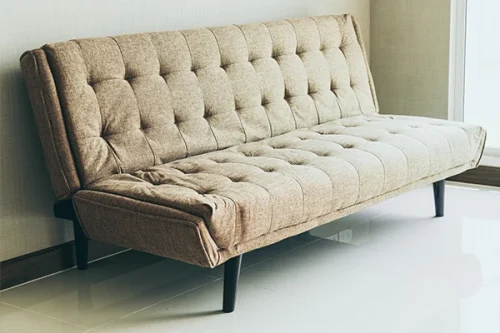
When it comes to making your futon more comfortable, the position of your futon and regular maintenance can play a significant role.
Even the best mattress toppers and featherbeds won’t perform at their best if the futon isn’t set up properly or maintained correctly.
Here are some simple tips that will help you get the most out of your futon, ensuring that it stays comfy and durable for longer.
1. Place Your Futon on a Soft Surface
Sometimes, the discomfort of a futon isn’t just about the mattress—it’s about where it sits.
If your futon is placed on a hard floor or flat surface, it may feel more uncomfortable, especially if you’re used to the cushioned support of a traditional mattress.
- Why It Helps: A soft, carpeted surface can add extra cushioning, helping absorb some of the pressure and making your futon feel more comfortable. If you don’t have carpeting, consider adding a rug or mat beneath the futon to soften the surface underneath.
- Extra Tip: If possible, position the futon in a corner or against a wall. This setup can create a cozy nook and offer more support around the sides, especially when paired with pillows for added comfort.
2. Rotate and Flip Your Futon Regularly
Just like any mattress, your futon will start to show signs of wear and unevenness over time.
The best way to prevent sagging and maintain a level sleep surface is to rotate and flip the futon periodically.
- Why It Works: Rotating your futon (i.e., flipping it head-to-foot) helps distribute body weight more evenly and prevents certain areas from becoming overly compressed. Doing this every 3-6 months can help maintain the futon’s shape and comfort.
- How to Do It: Simply flip the futon onto its opposite side every few months. If your futon is two-sided, try to rotate it so the most used side is occasionally on the bottom.
3. Protect Your Futon with a Mattress Cover

While adding layers like mattress toppers and comforters can improve comfort, a mattress protector is key to maintaining your futon’s longevity.
Futons are often exposed to spills, stains, and wear from frequent folding and unfolding.
- Why It Helps: A mattress cover shields your futon from dirt, dust, and stains, while also keeping it fresh. It’s especially important if you use your futon as a guest bed or in high-traffic areas.
- Recommendation: Choose a waterproof or hypoallergenic cover to prevent dust mites, pet hair, and allergens from accumulating. Mattress protectors are easy to remove and wash, ensuring your futon stays clean and hygienic.
4. Reinforce Slats and Frame Over Time
If your futon frame feels wobbly or if the mattress begins to sag, it could be time to give the frame a little extra support.
Over time, futon slats can loosen, causing an uneven sleeping surface and making the futon feel uncomfortable.
- Why It Helps: Adding extra slats or reinforcing the frame with plywood can provide the additional support needed to prevent sagging and discomfort. This is especially important if you notice that certain areas of the futon feel softer or less supportive.
- How to Fix It: Head to a local hardware store and buy some 1×4 wooden slats. Attach them to the existing slats, filling any gaps, to ensure more even support. This simple fix can make a significant difference without the cost of a new futon.
5. Keep Your Futon Clean and Well-Ventilated
Futons, especially those that are stored or used for guests, can accumulate dust, allergens, and odors over time.
Keeping your futon clean is essential not only for comfort but for your health.
- Why It Helps: A clean futon contributes to a better sleeping environment and helps extend the life of the mattress. Ventilation prevents moisture buildup, which can lead to mold or mildew, especially in humid climates.
- How to Clean: Vacuum the futon regularly to remove dust and debris. If it’s possible to remove the cover, wash it according to the care instructions. Make sure to air it out regularly, particularly if the futon is stored in a closet or hidden area.
When to Consider Buying a New Futon

While there are many ways to improve the comfort of your futon, sometimes the best solution is to invest in a new one.
Futons are meant to be versatile and affordable, but just like any piece of furniture, they have a lifespan.
If you’ve tried all the tips and tricks to make your futon more comfortable but still find yourself tossing and turning, it may be time to consider a replacement.
Here’s when to know that buying a new futon might be the right move:
1. If Your Futon Has Lost Its Shape and Support
Over time, futons can become flat, uneven, or saggy, especially if they’re frequently used as a bed.
If your futon no longer provides adequate support or feels like you’re sleeping on a hard surface, it’s a sign that the mattress has lost its integrity.
No amount of mattress toppers or slats can completely fix a futon that’s lost its original structure.
Signs to Watch For:
You feel the slats or frame through the mattress.
The futon sinks in after a few hours of use, even with a mattress topper.
The mattress feels uneven, making it difficult to find a comfortable position.
2. When Your Futon Is Too Uncomfortable for Regular Use
Futons are typically used for occasional sleeping, but if you’re using it more frequently or for extended periods, it should be able to offer adequate comfort.
If your futon is consistently uncomfortable, no amount of toppers, featherbeds, or comforters will provide the long-term support needed for regular use.
Signs to Consider:
You have constant back pain or discomfort after sleeping on your futon.
It’s become increasingly difficult to sleep through the night without waking up due to discomfort.
You’ve had your futon for several years and it feels noticeably less comfortable than it used to.
3. If the Futon Frame Is Wobbly or Damaged
The frame of a futon plays a huge role in its overall comfort and stability.
Over time, frames made of wood or metal can weaken, leading to creaky sounds or a wobbly feel when sitting or lying down.
If the frame is damaged or unstable, it can compromise the mattress’s support, making it uncomfortable and unsafe to use.
Signs of Frame Issues:
The futon creaks or shakes when you sit or lie down.
The frame is loose or shows signs of wear and tear.
The futon becomes difficult to fold or unfold, or it no longer locks securely in place.
4. When Your Futon Is Simply Too Old
Futons, like mattresses, have a limited lifespan.
Even with regular care, they naturally degrade over time due to regular use, especially in a frequently used living room or guest space.
If your futon is more than 5-10 years old, it’s likely lost some of its original comfort and support, and it may be time for an upgrade.
Signs of Age:
The futon shows visible signs of wear, such as stains, holes, or frayed fabric.
The mattress feels too thin or lacks springiness.
It’s become harder to maintain comfort, even with regular maintenance.
5. If You Want a More Stylish or Functional Upgrade
Sometimes, the reason to upgrade your futon isn’t about comfort—it’s about style or functionality.
If your futon doesn’t fit your current decor or lifestyle needs, it may be time to explore newer options that offer better aesthetics or more advanced features, like built-in storage, USB charging ports, or even adjustable settings.
Signs to Upgrade for Style or Functionality:
Your futon no longer matches your decor or space.
You need a futon with additional features like comfort adjustability or modern designs.
You’ve outgrown your current futon’s size or style and need something more suited to your evolving needs.
Health Considerations for Futon Sleepers

When choosing a futon, it’s important to think about how it might affect your health, especially if you plan to use it for long-term sleeping.
Futons can be a great choice for their versatility and space-saving nature, but like any type of furniture, they can have both positive and negative impacts on your sleep quality and overall well-being.
Let’s take a closer look at some health considerations you should keep in mind when sleeping on a futon.
1. Spinal Alignment and Posture
Futons, particularly traditional Japanese-style futons, are often designed to offer a firmer sleep surface.
This design can actually benefit spinal alignment and posture, which is why Japanese futons are often praised for their ability to keep the spine in a neutral position during sleep.
- Why It’s Good for You: A firm sleeping surface can help keep your spine properly aligned, preventing back pain and improving posture. This can be especially beneficial for people who suffer from back or neck issues.
- Potential Downsides: However, a futon that is too firm or doesn’t provide enough cushioning might create pressure points, especially for side sleepers. Without proper padding or support, it could lead to discomfort in areas like the hips or shoulders.
2. Pressure Relief for Side Sleepers
If you’re a side sleeper, one of the main things to consider is how well your futon relieves pressure on your shoulders and hips.
Futons, especially those with thinner mattresses, may not offer sufficient padding to alleviate pressure in these areas, leading to discomfort and poor sleep quality.
- How to Improve Comfort: Adding a featherbed, memory foam topper, or comforter layers on top of your futon can provide the extra cushioning needed to relieve pressure points. This will help prevent soreness and ensure a more restful night’s sleep.
- Health Consideration: Lack of pressure relief over time can cause joint pain or exacerbate existing conditions like arthritis or bursitis in the hips and shoulders.
3. Circulation and Blood Flow
A futon that is too soft or uneven might restrict proper blood circulation, especially if you tend to sleep in one position for long periods.
Poor circulation can lead to numbness or tingling in the limbs, and in some cases, muscle stiffness when you wake up.
- How to Avoid Circulation Issues: To promote healthy blood flow, make sure your futon provides a stable, supportive base. If your futon mattress is too thin, using a mattress topper or extra padding can help distribute body weight more evenly and improve circulation.
- Tip: Try to rotate your futon regularly to avoid uneven wear and ensure that you’re not putting pressure on any particular part of your body for too long.
4. Breathing and Allergies
Futons, particularly older ones, can accumulate dust, dust mites, and allergens over time, which may affect your breathing or exacerbate allergy symptoms.
If you or someone in your household suffers from allergies or asthma, keeping the futon clean and free from allergens is crucial.
- How to Prevent Allergy Issues: Regularly vacuum the futon to remove dust, and use a hypoallergenic mattress protector to shield it from dust mites and other irritants. Opt for hypoallergenic comforters and pillows to further reduce exposure to allergens.
- Health Tip: If possible, store your futon in a well-ventilated area and allow it to air out regularly. This will prevent moisture buildup and discourage mold or mildew growth, which can trigger respiratory issues.
5. The Impact of a Low-lying Futon on Joint Health
Traditional futons are often placed directly on the floor, which can be problematic for people with joint issues or mobility concerns.
Sleeping close to the ground can make getting in and out of bed more difficult, especially for those with arthritis or other joint-related conditions.
- How to Improve Accessibility: If your futon is very low to the ground, consider adding an air mattress or placing the futon on a raised platform. This will help alleviate pressure on your knees, hips, and back when getting up or lying down.
- Joint Health Consideration: Over time, repeatedly getting up from a low futon could put unnecessary strain on the joints, leading to discomfort or even injury.


 English
 Spanish
 Portuguese
 Russian
 Arabic
 Japanese
 Korean
 German
 French
