

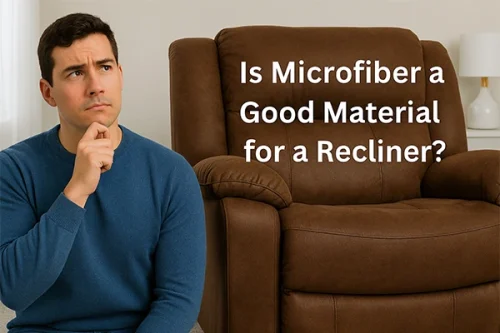
What Is Microfiber in Recliners?

Microfiber used in recliners is a tightly woven synthetic fabric—most commonly polyester—that creates a smooth, suede-like surface. Because the fibers are extremely fine and densely packed, the material feels soft while remaining strong and resistant to daily wear. This construction also helps microfiber hold its shape, maintain color over time, and provide a comfortable, cushioned seating texture. In recliners, microfiber is selected specifically for its combination of softness, durability, and easy everyday maintenance.
Is Microfiber a Good Material for a Recliner?

Yes, microfiber is a very good material for a recliner because it performs well in everyday use and withstands frequent sitting. It offers better durability than most basic woven fabrics, resists stains, and is easy to maintain, making it especially suitable for high-traffic rooms. Its soft, suede-like texture stays comfortable year-round, without feeling sticky or cold, and it works well for families, pet owners, and anyone wanting a low-maintenance recliner that remains comfortable over time.
Main Advantages of Microfiber Recliners

- Soft, plush feel that stays comfortable over long sitting periods
- Maintains shape well, reducing sagging or stretching over time
- Naturally stain-resistant, making spills easier to blot before they absorb
- Holds color well, helping the recliner look newer longer
- Easy to clean with mild soap and water, without special cleaners
- More affordable than leather while still offering a quality appearance
- Pet-friendly surface where hair wipes off easily and doesn’t embed deeply
Downsides to Know

- Less breathable than natural fabrics like linen or cotton, which may feel warmer in hot climates
- Can build static, especially in dry seasons, which may attract dust or cause minor static shocks
- May require occasional brushing to prevent the surface from flattening or looking matted over time
- Light-colored microfiber can show dirt or smudges more easily, requiring more frequent spot cleaning
Who Should Choose Microfiber?

Microfiber is a great choice for households that need a recliner capable of handling frequent use, especially in living rooms or shared spaces. It works particularly well for families with children because it resists stains and cleans easily, making everyday spills or messes less of a concern. Pet owners also benefit from microfiber since hair doesn’t cling deeply, and the fabric holds up better against wear caused by pets jumping or resting on the chair. If budget matters, microfiber provides long-lasting comfort without the higher price of leather. Anyone looking for a soft, low-maintenance recliner that still looks good over time will find microfiber a practical and reliable option.
How Long Does Microfiber Last?
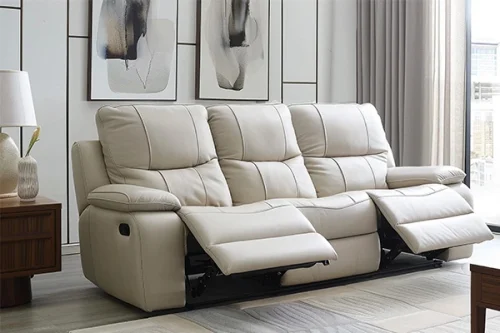
Microfiber recliners typically last around 6–10 years with normal household use, and often longer when cared for properly. The tightly woven fibers hold their shape well, so the fabric doesn’t sag or loosen easily over time. Unlike bonded leather, microfiber will not crack, peel, or flake as it ages, which helps the recliner maintain its overall appearance. With routine cleaning—mainly light vacuuming and occasional spot treatment—microfiber generally stays soft, retains its color, and continues to look well-kept throughout its lifespan.
How Easy Is Microfiber to Clean?

Microfiber is generally very easy to clean because most everyday spills can be handled with simple blotting before they soak in. A small amount of mild soap mixed with water is usually enough for spot cleaning, and the fabric responds well to light wiping without leaving visible marks. Routine maintenance, such as vacuuming to remove dust or pet hair, keeps the surface looking fresh. Most recliners upholstered in microfiber do not require professional cleaning, making it a low-effort option for families and high-use areas.
When Microfiber May NOT Be the Best Choice

- Homes in very warm climates, since microfiber is less breathable and can feel warmer during long sitting periods
- People who prefer natural, premium fabrics like leather or linen and want a more upscale texture or look
- Environments where static buildup is common, especially during dry seasons, since microfiber can generate more static
- Users sensitive to surface feel changes, as lower-grade microfiber can flatten or lose its plushness over time


 English
 Spanish
 Portuguese
 Russian
 Arabic
 Japanese
 Korean
 German
 French
