

Let’s face it — choosing between a mattress in a box vs a traditional mattress isn’t just a comfort decision anymore.
For wholesalers, hotel buyers, or property managers, it’s about cost, logistics, and what keeps your guests (or customers) sleeping soundly.

Bed-in-a-box models are easy to ship, store, and set up — a win for bulk orders.
But traditional mattresses still hold their ground when it comes to long-term durability and variety.
In this article, we’ll break down the differences so you can make the call that fits your business, your space, and your sleep standards.
Let’s dive in.
What Is a Mattress in a Box?
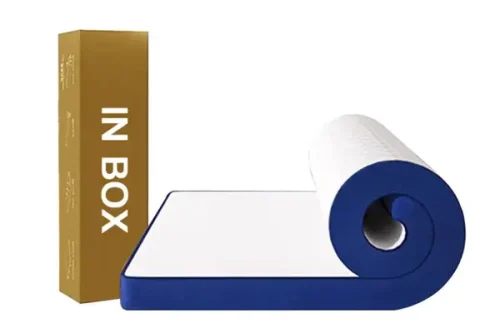
A mattress in a box is exactly what it sounds like — a full-size mattress that’s compressed, rolled, and packed into a box for easier shipping.
Think of it like a mattress that’s been vacuum-sealed and shrunk down for the road.
Once you unbox it, it expands back to its full size in a matter of hours.
Most boxed mattresses are made from memory foam, latex, or hybrid materials.
They’re built for comfort — contouring to the body, reducing motion transfer, and easing pressure points, especially for side sleepers or people with back pain.
For wholesalers and hospitality buyers, the appeal is clear:
- Easier to ship in bulk
- Saves on storage space
- Quick setup without the need for outside delivery crews
These are typically sold online and shipped directly to homes, properties, or warehouses. Many brands offer trial periods and direct fulfillment options.
A heads-up though — boxed mattresses need time to fully expand after unboxing, and a mild foam odor (called off-gassing) can show up at first. It fades quickly, but it’s something to be aware of.
What Is a Traditional Mattress?

A traditional mattress is the classic, full-size mattress that comes ready to use — no unboxing, no expansion time, no surprises.
It’s delivered in its final form and usually set up by a delivery team or warehouse crew.
These mattresses are often found in showrooms and sold through retail channels.
Materials vary, but you’ll commonly see innerspring, hybrid, and foam constructions, sometimes with added pillow tops or luxury finishes.
They’re known for solid edge support, bounce, and a familiar sleep feel.
For hotels, resorts, and apartments, traditional mattresses are often the go-to because:
- They’re tried-and-true and familiar to guests
- Offer more firmness and style options
- Usually come with in-person testing before buying
The trade-off?
Bulk delivery is more complex.
These take up more space and may require professional handling — which can add cost and time to the process.
Still, if comfort consistency, luxury feel, or long-term durability is the top priority, traditional might be the better fit.
Side-by-Side Comparison Table
When you’re comparing a mattress in a box vs traditional, sometimes it helps to lay it all out.
Here’s a quick look at how the two stack up across the features that matter most in bulk or commercial purchases:
This breakdown is especially useful if you’re managing inventory, outfitting guest rooms, or deciding which models offer the best value over time.
Delivery and Setup: Convenience vs. Service

Here’s the deal:
If you’re ordering in bulk, how the mattress gets delivered and installed can make or break your workflow.
A mattress in a box arrives compressed and packed in a portable box.
It’s easy to carry, takes less space, and your team can handle setup without needing a delivery crew.
For properties with tight hallways or limited staff, that’s a big plus.
Traditional mattresses come full-size and usually need a scheduled delivery with multiple people.
That means more coordination — but it can also mean less work for your team, especially when furnishing premium units.
If you need speed and flexibility, boxed mattresses are the clear winner.
If you prefer full-service delivery and don’t mind the extra logistics, traditional might be the better fit.
Comfort, Support & Sleep Quality

Whether you’re supplying dozens of units or upgrading guest rooms, sleep quality is non-negotiable.
Mattress in a box options are typically foam or hybrid builds that contour to the body and minimize motion transfer — ideal for side sleepers and shared beds.
They offer solid comfort, though lower-end models can feel too soft or lose support over time, especially in high-traffic spaces.
Traditional mattresses usually feature innerspring or higher-density hybrid construction.
They tend to offer better edge support, long-term durability, and a firmer feel — making them a favorite in hotels and furnished rentals.
They also sleep cooler, which is a plus for warm environments.
If you’re after uniform comfort and long-term reliability, traditional wins.
But for easy setup and solid comfort at a lower price point, a well-made boxed mattress is a strong contender.
Price Comparison & Value Over Time

Pricing is often the deal-breaker, especially when you’re ordering in bulk.
Mattress in a box models tend to offer lower upfront costs, usually ranging from $300 to $1,500 depending on build and brand.
Because many are sold direct-to-consumer, they cut out the middle layer — which means better pricing and volume discounts for wholesalers and property managers.
Traditional mattresses cover a wider price range — from $500 to well over $5,000. You’re paying more for in-store overhead, delivery, and often, premium construction.
But with that comes greater customization and, in many cases, longer-term durability.
When it comes to value, it depends on how and where the mattress will be used.
For short-term stays or budget-conscious builds, boxed models often make the most sense.
For luxury spaces or high-turnover environments, traditional models might justify the higher investment with fewer replacements down the line.
Durability and Lifespan

When you’re buying at scale, how long a mattress holds up matters just as much as how it feels on day one.
Most mattress in a box models have a lifespan of around 6 to 10 years, depending on the foam density and construction.
Higher-end hybrids tend to last longer, while cheaper all-foam models may start sagging sooner — especially under heavy use, like in short-term rentals or student housing.
Traditional mattresses, especially those with innerspring or reinforced hybrid designs, often last 10 to 15 years with proper care.
They’re built with more structure and typically maintain shape and support longer, making them a strong choice for hotels or furnished units with frequent guests.
Bottom line:
If longevity is the priority, traditional models generally offer more years per mattress.
But for lower upfront investment and easy turnover, boxed mattresses still hold value — especially when you choose mid to high-tier options.
Which Mattress Is Right for You?

Still on the fence?
Choosing between a mattress in a box vs traditional really comes down to your business needs, property type, and long-term goals.
Here’s a quick way to look at it:
- Tight on storage or labor? Go with boxed — they’re easier to move, install, and stock in bulk.
- Looking for premium feel and long-term durability? Traditional’s your best bet.
- Working with a tight budget across multiple units? Boxed gives you good comfort at a lower cost.
- Managing a luxury space or high-traffic property? Traditional can better handle daily wear and tear.
- Need something fast, flexible, and scalable? Boxed wins on shipping, speed, and logistics.
If you’re buying for hotels, furnished apartments, or wholesale inventory, both options can work — it’s about matching the right mattress to the job.
Expert Tips: What to Look for Before You Buy

Before placing a bulk order, here are a few things worth checking — no matter which type of mattress you choose.
- Foam density matters. For boxed mattresses, look for higher-density foam (at least 1.8–2.5 lbs/ft³) to ensure it holds up under regular use. Cheap foam breaks down faster and leads to sagging.
- Check coil count and gauge. For traditional models, a higher coil count (with lower gauge = thicker coils) typically means better support and durability — a big plus in hotels or rentals.
- Look for certifications. Products with CertiPUR-US®, GREENGUARD Gold, or fire safety compliance (like CFR 1633) are safer, especially in hospitality settings.
- Compare warranties. A 10-year warranty is common, but check what it actually covers. Some warranties don’t apply to commercial use — read the fine print.
- Ask about delivery flexibility. Whether you’re outfitting 5 rooms or 150, confirm lead times, delivery scheduling, and return options for large orders.
Doing your homework up front helps avoid headaches down the road — and makes sure you’re getting real value, not just a low price.


 English
 Spanish
 Portuguese
 Russian
 Arabic
 Japanese
 Korean
 German
 French
