

Sofas are no longer just for living rooms. Today, sofa bedroom ideas are popular because they make bedrooms more comfortable and more usable. A sofa gives you a place to sit, read, relax, or unwind without using the bed. It can also help keep the room looking neat and organized.

When placed correctly, a sofa can improve the bedroom layout by filling empty areas or creating a small lounging zone. The key is choosing a sofa that fits the room size, matches the style, and supports how you use the space every day.
Sofa Bedroom Ideas by Placement
#1. Sofa at the Foot of the Bed

Placing a sofa at the foot of the bed is one of the most balanced and practical layouts. It works best in medium to large bedrooms where there’s enough clearance to walk comfortably around the bed. Low-profile sofas, benches with backs, or slim loveseats keep the space feeling open. This placement adds seating without interrupting the natural flow of the room.
#2. Sofa by the Window
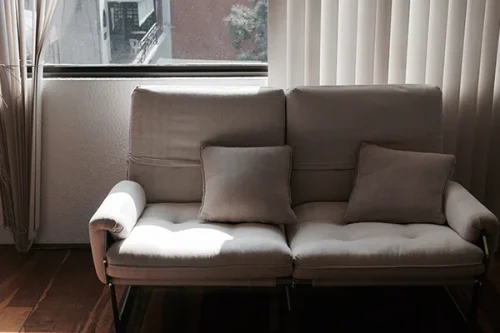
A sofa by the window creates a calm reading or coffee nook that feels separate from the sleeping area. This works especially well when the bedroom gets good natural light. Choose sofas with light visual weight, such as raised legs or slim arms, and breathable fabrics like linen or cotton to keep the space airy rather than heavy.
#3. Sofa Against the Wall
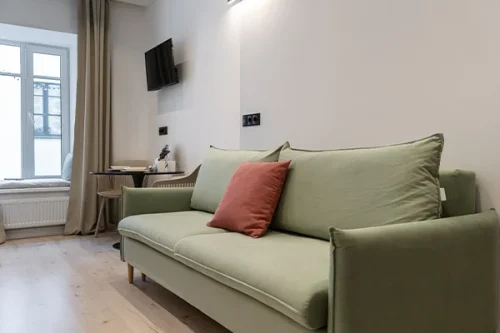
Placing a sofa against the wall is ideal for small or narrow bedrooms where floor space is limited. To avoid a flat or pushed-back look, add texture through cushions, throws, or wall art above the sofa. A narrow loveseat or settee works better than a full-size couch in tighter layouts.
#4. Sofa in a Bedroom Corner
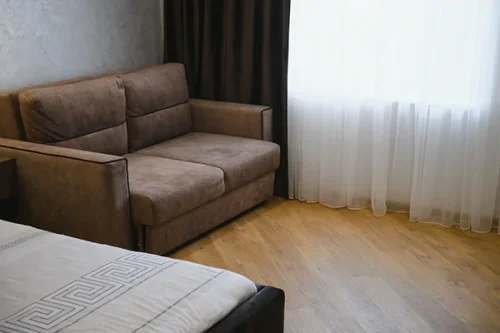
Using a corner for a sofa helps turn unused space into a cozy seating area. Curved sofas soften the room and work well in tight corners, while straight sofas offer a cleaner, more structured look. Adding a rug underneath helps anchor the sofa visually and makes the corner feel intentional.
#5. Sofa Opposite the Bed (Suite-Style Layout)
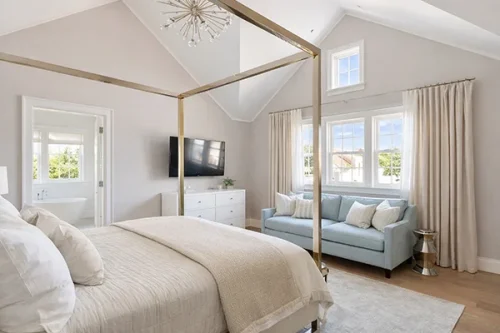
In larger bedrooms, placing a sofa opposite the bed helps zone the space into sleeping and lounging areas. This layout creates a hotel-like feel and works best when paired with a rug or coffee table to define the seating zone. It’s a great option for bedrooms that double as relaxation spaces during the day.
Sofa Bedroom Ideas for Small Bedrooms
#6. Loveseats and Settees

Loveseats and settees are ideal for small bedrooms because they offer seating without overwhelming the space. Their compact size keeps the room feeling balanced while still adding comfort. Choose slim arms and shallow depth to avoid crowding walkways.
#7. Sofas with Built-In Storage
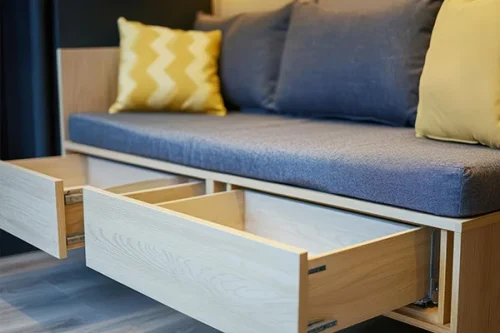
In small bedrooms, hidden storage is a major advantage. Sofas with storage compartments can hold extra blankets, pillows, or seasonal bedding, helping reduce clutter. This keeps the room tidy without adding extra furniture.
#8. Sofa Beds for Flexibility

A sofa bed is a smart solution when space is limited but flexibility is needed. It allows the bedroom to double as a guest-ready space without sacrificing daily comfort. Compact sofa beds work best, especially those with simple pull-out or fold-down designs.
#9. Light Colors and Raised Legs
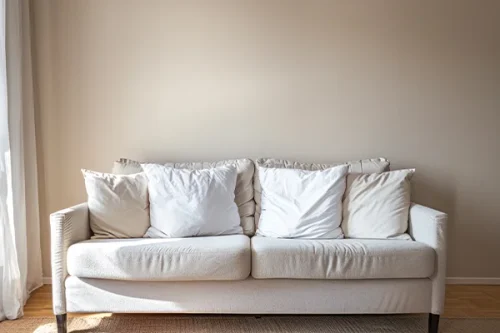
Light-colored sofas help small bedrooms feel brighter and more open. Shades like beige, cream, or soft gray reflect light and reduce visual weight. Sofas with raised legs also create a sense of airiness by allowing the floor to remain visible.
#10. Space-Saving Layouts for Tight Rooms
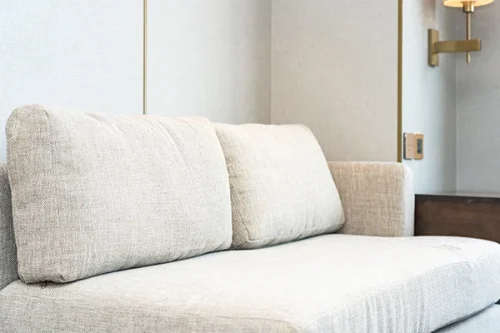
Placement matters even more in small bedrooms. Positioning the sofa against a wall helps preserve floor space and maintain clear walkways. Always leave enough room to move comfortably around the bed and doors to keep the layout functional rather than cramped.
Sofa Bedroom Ideas for Large Bedrooms
#11. Sectional Sofas Done Right
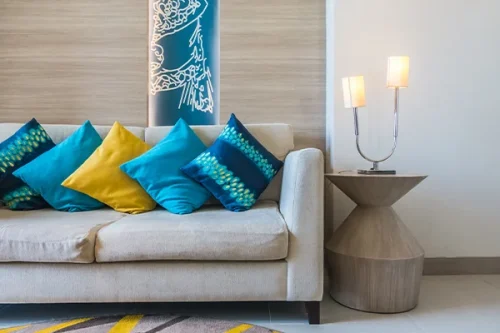
Sectional sofas can work in large bedrooms when they’re scaled correctly. Choose compact or low-profile sectionals rather than oversized living room designs. Position them to frame a seating area without blocking walkways, and avoid pushing them too close to the bed to keep the layout balanced.
#12. Lounge-Style Sofas

Lounge-style sofas with deeper seats are perfect for creating a relaxed atmosphere in spacious bedrooms. These sofas encourage reading, stretching out, or quiet downtime. Soft upholstery and neutral tones help maintain a calm, bedroom-appropriate feel rather than a living room look.
#13. Chaise Sofas as Statement Pieces
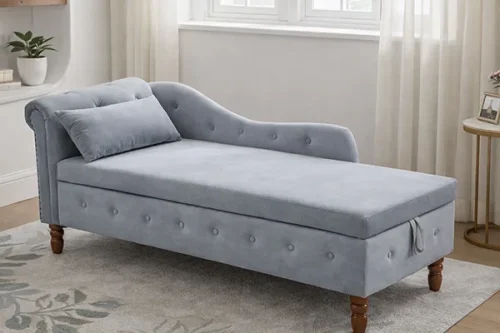
A chaise sofa adds elegance and comfort without needing multiple seating pieces. It works especially well along a wall or near a window, offering stylish lounging without overcrowding the space. Keep the design streamlined so the chaise feels intentional, not bulky.
#14. Creating a Separate Bedroom Lounge Zone

Large bedrooms benefit from clear zoning. Use a sofa to define a dedicated lounge area, separate from the sleeping space. Rugs, floor lamps, and side tables help visually anchor the zone, giving the bedroom a refined, hotel-like layout that feels both functional and inviting.
Sofa Bedroom Ideas by Style
#15. Minimal and Scandinavian Sofas

Minimal and Scandinavian sofas are ideal for creating a calm, airy bedroom. Clean lines, light fabrics, and neutral tones help the space feel open and uncluttered. These styles work especially well in small to medium bedrooms where visual simplicity matters.
#16. Classic and Chesterfield Sofas

Classic and Chesterfield sofas bring timeless elegance to the bedroom. Details like button tufting and structured arms add character and sophistication. These sofas work best in larger bedrooms or traditional interiors where they can act as a refined focal point.
#17. Mid-Century Modern Sofas
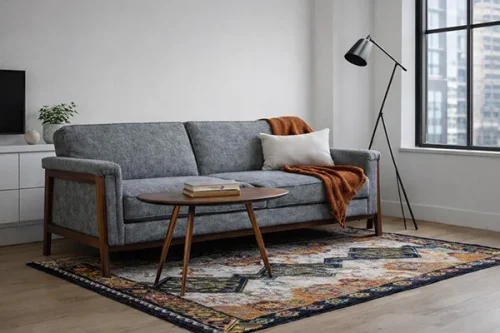
Mid-century modern sofas are known for clean lines and visual lightness. Tapered legs and compact shapes prevent the sofa from feeling heavy, making this style a smart choice for both small and large bedrooms. They pair well with simple décor and warm wood tones.
#18. Soft Upholstered Lounge Sofas
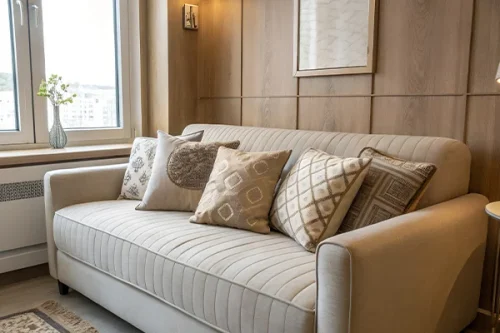
Soft upholstered sofas focus on comfort and texture. Plush fabrics, rounded shapes, and deep cushions create a cozy, relaxing atmosphere. These sofas are ideal for bedrooms designed as personal retreats rather than purely sleeping spaces.
#19. Mood-Based Sofa Styling

Choosing a sofa based on mood helps create a bedroom that feels intentional. Light colors and slim silhouettes support a calm feel, while layered textiles and deeper tones add warmth. Structured designs feel elegant, while softer forms create a cozy, laid-back environment.
Styling Tips for Bedroom Sofas

- Cushions and throws
Use two to three cushions to add comfort without clutter. Mix simple textures, and add one throw for warmth. - Rugs as visual anchors
Place a rug under or in front of the sofa to define the seating area and make the layout feel intentional. - Lighting for function
Add a floor lamp or wall sconce to create a soft, relaxing glow for reading or lounging. - Wall décor above the sofa
Artwork or a mirror helps frame the sofa and adds visual balance without using floor space. - Balance contrast and cohesion
Let the sofa stand out slightly, but connect it to the room through color, fabric, or finishes.
This approach keeps styling simple while helping the sofa feel comfortable, purposeful, and well-integrated in the bedroom.
Common Bedroom Sofa Mistakes to Avoid
- Oversized sofas
Large, bulky sofas can overpower a bedroom and make it feel cramped. Always scale the sofa to the room, not the living room. - Blocking walkways or doors
A sofa should never interrupt natural movement. Make sure there’s clear space around doors, closets, and the bed for easy circulation. - Bulky recliners
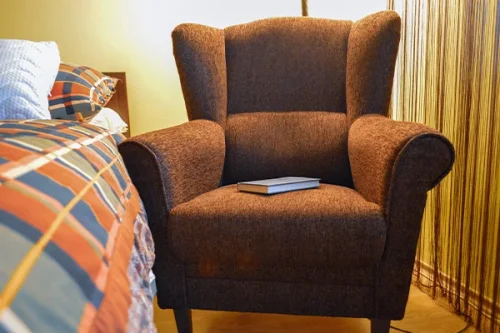
Recliners and heavy lounge sofas often feel out of place in bedrooms. They take up too much room and can disrupt the calm, relaxed atmosphere. - Ignoring comfort and quality
A bedroom sofa should be comfortable enough for daily use. Poor cushioning or low-quality materials can quickly turn the sofa into unused décor instead of a functional seating spot.
Avoiding these mistakes helps ensure your bedroom sofa feels intentional, comfortable, and well-suited to the space.


 English
 Spanish
 Portuguese
 Russian
 Arabic
 Japanese
 Korean
 German
 French
