Steel Frame vs Wood Frame Sofa: Durability, Comfort & Style

Discover the key differences between steel and wood frame sofas. Compare durability, comfort, style, and affordability to make an informed choice.
SUNSGOODS – Blogs – Steel Frame vs Wood Frame Sofa: Durability, Comfort & Style

Choosing the right sofa frame is key to ensuring durability, comfort, and style. 

The debate often comes down to steel frames vs. wood frames—each offering unique benefits. 

Steel Frame Sofa vs Wood Frame Sofa

In this guide, we’ll help you decide which material suits your needs and lifestyle by comparing factors like strength, comfort, and cost. 

Let’s dive into the differences between these two popular options.

Understanding Sofa Frames

Before diving into the steel vs. wood frame debate, it’s important to understand what a sofa frame actually does. 

The frame is the foundation of the sofa, responsible for supporting the cushions and the weight of everyone sitting on it. 

Essentially, it holds everything together, so choosing the right material is crucial for both comfort and longevity.

Compact Futon Sofa in Cozy Living Room

What is a Sofa Frame?

A sofa frame is the underlying structure that supports the seat, backrest, and armrests of your sofa. 

It can be made from various materials, with metal (typically steel) and wood being the most common. 

The frame’s durability directly affects how long the sofa lasts, how it feels to sit on, and how well it holds up under daily use.

Examining the Recliners Metal Frame

Why Frame Material Matters?

The material of the sofa frame affects a few key aspects of your sofa:

  • Strength: How well the sofa can withstand weight and pressure.
  • Comfort: A rigid steel frame may feel firmer, while a wood frame could give you a bit more flexibility.
  • Style: The frame contributes to the overall look of your sofa—metal gives a sleek, modern vibe, while wood brings warmth and classic appeal.

Hardwood Frames Versus Alternative Wood Options

In the next sections, we’ll dive into how metal and wood differ in terms of durability, comfort, and style, helping you make the best choice for your home.

Durability Comparison

When it comes to durability, the material of your sofa frame plays a huge role in how long your sofa will last and how it performs over time. 

Here’s a quick comparison between steel and wood frames to help you decide which option offers better longevity and strength:

FeatureSteel FrameWood Frame
StrengthExtremely strong and can support heavy weight.Strong, but depends on wood type (hardwoods are more durable).
Resistance to WarpingResistant to warping, cracking, or bending over time.Susceptible to warping, cracking, or splitting, especially with moisture.
Resistance to MoistureHighly resistant to moisture and humidity.Can be affected by moisture, leading to swelling or warping if not properly treated.
LongevityCan last for decades without significant wear.Generally durable, but lifespan depends on wood quality and care.
Rust and CorrosionSteel may rust if exposed to moisture or humidity without proper care.No rust, but can be vulnerable to wood rot if exposed to moisture.
MaintenanceLow maintenance; requires occasional cleaning for rust prevention.Higher maintenance; requires periodic treatments like sealing or refinishing.
Impact ResistanceHighly resistant to damage from impact (e.g., pets, children).May dent or crack under impact, especially with softer woods.

Conclusion on Durability:

  • Steel frames are extremely durable and resistant to many environmental factors like moisture and heavy usage. They require very little maintenance and can last a lifetime with proper care.
  • Wood frames, while durable, are more vulnerable to environmental factors such as humidity and impact. However, with proper care and high-quality craftsmanship, they can still offer a long-lasting and reliable frame.

Ultimately, if you’re looking for a highly durable sofa that can withstand heavy usage and last for decades, a steel frame is your best bet. 

On the other hand, if you’re after a more traditional look and are willing to maintain it carefully, a wood frame can also be a great choice.

Wooden Sofa in Minimalist Living Room Design

Comfort and Seating Experience

When it comes to comfort, the material of the sofa frame can have a big impact on how the sofa feels when you sit down. 

While the frame provides the foundation for support, it also plays a role in the overall seating experience. 

Here’s how steel and wood frames compare in terms of comfort:

Comfort FactorSteel FrameWood Frame
FirmnessSteel frames are typically more rigid, providing firmer support. Great for people who prefer a solid, supportive feel.Wooden frames offer a bit of flexibility, which can result in a softer, more relaxed seating experience.
Back SupportSteel frames provide excellent back support due to their sturdy structure. They’re ideal for those who prioritize posture.Wood frames may offer less rigidity but still provide ample support, especially if designed with ergonomic features.
Cushioning FeelSteel frames tend to maintain consistent support throughout the cushions, but they don’t add any softness. The softness mainly comes from the cushions themselves.Wooden frames can offer a slight give, especially if paired with flexible materials like sprung or slatted bases, enhancing the overall softness.
Comfort for Long SittingSteel frames are less forgiving for prolonged sitting, as they don’t offer the same level of compression that wood can provide.Wood frames can feel more comfortable for longer sittings due to their more flexible nature and slightly softer feel.
Seat “Bounce”Steel frames tend to be more static and don’t have much give. This is good for a firm, supportive seat, but not for a “bouncy” feel.Wooden frames, especially slatted ones, can offer a slightly bouncier feel, making it more comfortable for some people.
Temperature SensitivitySteel frames can feel colder to the touch, especially in cooler climates, but they warm up quickly once you sit down.Wood frames are naturally warmer, making them more comfortable to the touch in colder environments.

Conclusion on Comfort:

  • Steel frames provide a firm, supportive foundation that’s perfect for those who need a solid seat with excellent back support. They are great for short to medium-duration sitting but may feel rigid for those who prefer a softer, more flexible experience.
  • Wood frames, on the other hand, offer a softer, more flexible seating experience, making them ideal for long lounging sessions or anyone looking for a more relaxed feel. They provide a little more give, which some people find more comfortable for extended sitting.

Ultimately, the choice depends on your personal preference for firmness vs. softness and the kind of seating experience you desire. 

If you prefer strong support, go with a steel frame; if you’re after a more cushioned, laid-back feel, a wood frame might be the better fit.

Sora Beach Sand Sofa Article

Design and Style Comparison

When it comes to the look and feel of your sofa, the frame material plays a huge role in setting the tone for your entire living room. 

Whether you prefer a modern aesthetic or a more traditional vibe, your sofa frame will help define your space. 

Let’s compare how steel and wood frames contribute to the overall style of your sofa:

Design FactorSteel FrameWood Frame
Aesthetic AppealSleek and modern, perfect for industrial or contemporary designs. The clean lines of metal add a minimalist, urban feel.Warm and classic, ideal for rustic, vintage, or traditional designs. The natural beauty of wood gives the sofa a timeless, homely vibe.
VersatilityWorks well with modern and industrial interiors. It can be paired with a variety of upholstery colors, giving a bold contrast.Easily blends with farmhouse, vintage, or Scandinavian decor. Wood frames add a natural element, complementing earthy tones and organic fabrics.
Color OptionsTypically comes in metallic finishes like matte black, silver, or gold, adding an edgy, sophisticated touch.Offers a range of wood finishes, from light oak to dark walnut, giving a more organic and warm aesthetic.
CustomizationLess customizable in terms of shape, but metal frames can be designed in unique, angular shapes for a futuristic or cutting-edge look.Wood frames often have more customization options, with intricate carvings, curved designs, and custom wood staining for a personalized touch.
Weight and PresenceHeavier and more industrial, giving the sofa a solid, grounded presence. It’s great for larger spaces that need a bold piece.Lighter in comparison and can give a softer appearance. It’s versatile for both small and large spaces, providing warmth without overwhelming the room.
TrendsPopular in modern and industrial settings, often paired with minimalist, neutral tones or vibrant colors for contrast.A staple in classic designs, with an enduring appeal that never goes out of style. Pairs well with traditional or vintage decor and earthy tones.

Conclusion on Design and Style:

  • Steel frames shine in modern, minimalist, and industrial settings. Their sleek, clean lines and metallic finishes lend a contemporary edge to your sofa, making it a perfect fit for urban or industrial interiors.
  • Wood frames, on the other hand, bring a classic and warm appeal to your living space. Ideal for rustic, traditional, or vintage interiors, wood offers a timeless aesthetic that suits various home styles, from farmhouse to Scandinavian.

Ultimately, the choice between steel and wood comes down to your personal style and the overall vibe you want for your home. 

If you want a bold, modern statement, go for steel; if you’re after a classic, inviting atmosphere, choose wood.

Modern Balcony Sofa with Scenic View

Price and Affordability

When choosing a sofa frame, the price is an important factor to consider. 

Steel frames and wood frames come at different price points, depending on the quality of materials, craftsmanship, and design. 

Here’s a breakdown of how the cost of each compares:

Price FactorSteel FrameWood Frame
Initial CostGenerally higher due to the strength and durability of the steel. Metalworking and manufacturing can add to the price.Typically lower than steel frames, especially when using softwood. Hardwood frames can be more expensive, depending on the wood type and craftsmanship.
Long-Term ValueWhile the initial cost may be higher, steel frames tend to last longer with less wear, offering better long-term value.Wood frames, depending on the wood type, may require more maintenance over time, potentially leading to additional costs in upkeep and repairs.
Maintenance CostsLow maintenance: Steel frames require minimal upkeep. Occasional cleaning is enough to keep them in good shape.Higher maintenance: Wood frames may need to be sealed or refinished to prevent damage from moisture or wear, which can increase costs over time.
Durability vs. CostSteel frames may cost more upfront, but their durability and minimal maintenance often justify the higher price.Wood frames can be more affordable, but the long-term durability and potential for wear and tear may make them a more costly choice over time.
AvailabilitySteel frames are readily available, but custom designs or designer pieces can significantly increase the price.Wood frames are available at a range of price points, and customization or rare wood types can drive the price up.
Resale ValueSteel-framed sofas often hold their value better, especially in modern or designer designs, making them a good investment.Wood-framed sofas can also retain value, especially if made with high-quality hardwoods, but may not have as much resale value as steel frames.

Conclusion on Price and Affordability:

  • Steel frames usually come at a higher upfront cost, but their durability, low maintenance, and long lifespan offer better value over time.
  • Wood frames are often more affordable initially, but their maintenance and possible wear and tear over time might result in additional costs. However, for those on a budget or looking for a traditional look, wood frames can be a cost-effective option.

Ultimately, the choice between steel and wood comes down to your budget, how much you’re willing to spend on maintenance, and how long you plan to keep your sofa. 

If you’re looking for durability and long-term value, a steel frame may be worth the investment; if you’re after a more affordable option with a classic look, a wood frame might be the way to go.
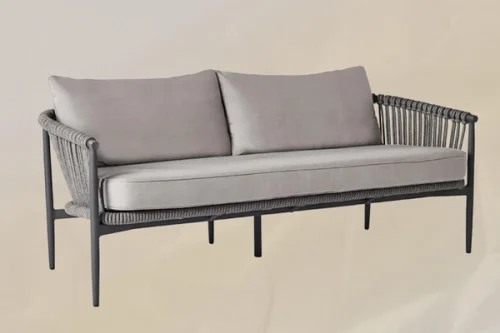
Costa Mesa Sofa Terra Outdoor Living

Sustainability and Environmental Impact

As more people become conscious of their environmental impact, the sustainability of the materials used in furniture is an important factor to consider. 

Both steel and wood have distinct environmental considerations, from sourcing to disposal. 

Here’s a comparison of how each material fares in terms of sustainability:

Sustainability FactorSteel FrameWood Frame
Material SourcingSteel is recyclable and can be reused indefinitely, reducing the need for new resources. However, the mining and processing of steel can have a high environmental impact, especially in terms of energy use.Wood, especially hardwoods, can come from sustainable forests or certified sources like FSC (Forest Stewardship Council). However, deforestation can be a concern if wood is sourced irresponsibly.
Manufacturing ProcessSteel manufacturing has a high energy cost due to the need to melt and shape the metal, which contributes to a higher carbon footprint. However, recycled steel can help reduce this impact.The processing of wood generally requires less energy compared to steel, making it more energy-efficient. However, if wood is not sustainably harvested, it can contribute to deforestation and habitat loss.
Durability and LifespanSteel frames are incredibly durable and require little maintenance, meaning they have a long lifetime and need to be replaced less frequently, reducing overall waste.Wood frames, though durable, may require more maintenance over time, especially in humid conditions. However, with proper care, they can last for many years, minimizing waste.
End-of-Life DisposalSteel is 100% recyclable and can be repurposed into new products, significantly reducing waste. However, it requires energy to recycle, which can contribute to environmental impact.Wood is biodegradable and can decompose naturally, especially if untreated. However, treated or painted wood can release harmful chemicals when disposed of. Recycling wood into other products is possible but less common than recycling steel.
Environmental CertificationsSteel is often produced with environmental standards in mind, and many steel manufacturers are working toward reducing carbon emissions.Wood can be sourced from certified sustainable forests, like those certified by the FSC, which helps ensure responsible logging practices.
Carbon FootprintSteel frames have a high carbon footprint during manufacturing but can be offset if made from recycled materials. The long lifespan helps mitigate this.Wood has a lower carbon footprint compared to steel, especially if sourced from sustainable forests. However, transportation and processing still contribute to emissions.

Conclusion on Sustainability and Environmental Impact:

  • Steel frames are recyclable and durable, offering long-term sustainability. However, the energy-intensive production process and the high carbon footprint during manufacturing can have significant environmental impacts. Using recycled steel can help offset some of this impact.
  • Wood frames, particularly those made from sustainably sourced wood, have a lower carbon footprint and are biodegradable. However, concerns over deforestation and unsustainable sourcing must be considered. If sourced responsibly, wood can be a more eco-friendly option.

FSC Certified Wood Ensures Sustainable Furniture

When it comes to sustainability, choosing recycled steel or certified wood can make a big difference. 

Both materials have their environmental trade-offs, so it’s important to prioritize sourcing practices and long-term durability when making your choice.

Maintenance and Care

Regular maintenance is essential to keep your sofa in top condition, and the frame material plays a significant role in how much effort and care it requires. 

Whether you choose steel or wood, each material has its own maintenance needs. 

Here’s a comparison of how each frame type fares in terms of care:

Maintenance FactorSteel FrameWood Frame
CleaningEasy to clean: Wipe down with a damp cloth to remove dust, dirt, and fingerprints. Steel frames do not absorb dirt or stains easily, making them low-maintenance in this regard.Requires more care: Wood frames need to be dusted regularly, and cleaning should be done with a soft cloth to avoid scratches. Wood can absorb dirt and moisture, so it should be cleaned gently and kept dry.
Damage ResistanceHighly resistant to wear and tear. Steel does not chip, crack, or warp easily. It’s very durable, making it a low-maintenance choice in terms of physical damage.Wood is more prone to scratches, dents, and cracks, especially with frequent use or heavy pressure. However, hardwoods tend to be more resistant than softwoods.
Moisture SensitivitySteel is resistant to moisture and won’t warp, swell, or rot, even in humid conditions. However, if exposed to water for long periods, it may rust unless properly treated or coated.Wood is sensitive to moisture, which can cause it to warp, crack, or rot over time. It’s essential to keep the wood sealed or treated to prevent water damage.
Rust and CorrosionRust-resistant steel frames (often coated or treated) are relatively low-maintenance. However, untreated steel may rust over time if exposed to moisture or humidity.Wood doesn’t rust, but it can suffer from decay, mold, or fungus if exposed to moisture. Regularly treating and sealing wood frames helps prevent this.
Repainting and RefinishingSteel frames generally require minimal refinishing or repainting. If rusting occurs, touch-ups may be needed, but the frame itself won’t lose its structural integrity.Wood frames may require repainting or refinishing every few years, especially if the wood starts showing signs of wear or fading. This is more common in outdoor or high-use wood furniture.
PestsSteel frames are pest-proof. They don’t attract termites, insects, or rodents, making them easier to maintain in terms of pest control.Wood frames are susceptible to termites, insects, or rodents if not treated properly. Regular pest inspections and wood treatment can help prevent infestations.
Long-Term CareSteel requires little long-term care beyond occasional cleaning. Regular inspections to check for rust or scratches are enough to keep the frame in good shape.Wood frames may need more long-term care, such as sealing and refinishing every few years to maintain their appearance and prevent damage.

Conclusion on Maintenance and Care:

  • Steel frames are extremely low-maintenance. They are easy to clean, highly resistant to damage, and require little more than periodic rust checks. The only real concern is rust, but treated steel handles this well.
  • Wood frames require more attention. They need regular dusting, moisture protection, and may require refinishing over time to maintain their beauty. Wood can be more vulnerable to damage and moisture, and pest control might also be necessary.

If you prefer a low-maintenance option, steel might be your best bet. 
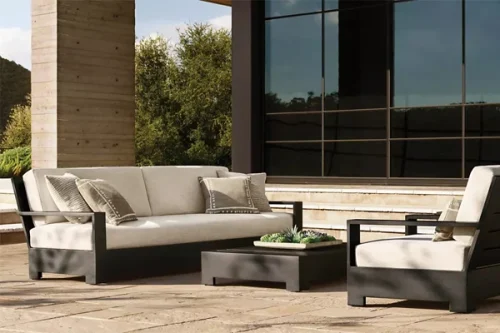
Belvedere Aluminum Sofa Restoration Hardware

However, if you’re willing to put in the effort for regular care and enjoy the beauty of natural materials, wood offers a timeless look that requires a bit more attention.

Pros and Cons at a Glance

When it comes to choosing the right sofa frame, the decision often boils down to your personal preferences, budget, and lifestyle needs. 

To make your choice easier, here’s a quick comparison of the pros and cons of both steel and wood frames:

FeatureSteel FrameWood Frame
Pros– Durable and long-lasting
– Low maintenance
– Resistant to moisture, rust, and pests
– Modern, industrial look
– Eco-friendly if made from recycled steel
– Can handle heavy use
– Classic, warm aesthetic
– Eco-friendly if sustainably sourced
– Customizable with various finishes and styles
– More affordable than steel frames
– Biodegradable and sustainable when treated correctly
– Traditional craftsmanship appeal
Cons– Higher upfront cost
– Can be cold or less visually warm
– Can rust if untreated
– Limited design flexibility compared to wood
– May be heavy, especially with larger sofas
– Prone to moisture damage and warping
– Requires regular maintenance (sealing, refinishing)
– Vulnerable to scratches, dents, and pests
– May need replacing sooner if not well-maintained
– More expensive with high-quality hardwoods

Conclusion:

  • If you’re looking for a durable, low-maintenance option that can withstand heavy use, steel frames might be the perfect choice for you. They offer a modern aesthetic, are eco-friendly when made from recycled materials, and are built to last.
  • On the other hand, if you love the warmth and natural look of wood, enjoy customizing your furniture, and are willing to invest in regular care, wood frames can offer a timeless and affordable solution.

By weighing these pros and cons, you can make a decision that best aligns with your needs and the look you want to achieve in your living space.

Frequently Asked Questions (FAQ)

What is the best material for a couch frame?

When choosing a sofa frame, kiln-dried hardwood and high-quality engineered hardwood are generally considered the best options for durability and strength. These materials are sturdy, prevent warping or cracking over time, and provide excellent support for long-lasting use.

However, steel frames can also be an excellent choice if you’re looking for an ultra-durable, low-maintenance frame that is resistant to moisture, pests, and fire. Kiln-dried hardwood is especially recommended for those who prefer a natural, traditional look for their sofa, while steel works well for those seeking modern aesthetics and increased longevity.

Steel frames offer several key advantages over wood frames:

  • Strength & Durability: Steel is inherently stronger than wood, making it ideal for high-use environments. It is resistant to warping, splitting, and sagging, which makes it highly durable over time.
  • Resistance to Moisture and Pests: Steel frames are not susceptible to moisture damage, termites, or pests, unlike wood frames that can suffer from these issues if not properly treated.
  • Sustainability: Steel is recyclable, which makes it an eco-friendly option when made from recycled materials.
  • Fire Resistance: Steel is non-combustible, which adds an extra layer of safety to your furniture, especially in homes with children or pets.

While wood frames can offer a more traditional aesthetic, steel frames excel in long-term durability, maintenance, and sustainability, making them the better option for durability and environmentally-conscious consumers.

Yes, steel framing is typically more expensive than timber framing upfront. The higher material costs, manufacturing processes, and design flexibility contribute to this increased price.

However, in terms of long-term investment, steel frames can be more cost-effective due to their exceptional durability and low maintenance. While wood frames may be less expensive initially, they require more upkeep (e.g., refinishing, sealing) and may have a shorter lifespan.

Additionally, steel frames have better pest resistance, moisture resistance, and fire resistance, which means they may save you money in the long run by reducing the need for repairs and replacements.

For a long-lasting sofa, a frame made of kiln-dried hardwood or steel is the best choice. Both materials are highly durable and provide long-term structural integrity, but they each have their own advantages:

  • Hardwood is known for its strength and ability to withstand daily use. It’s an excellent choice for a traditional, classic look.
  • Steel offers superior durability and resistance to environmental factors such as moisture, pests, and fire. It’s particularly ideal if you want something low-maintenance.

Additionally, high-density foam cushions are another key component to look for in a long-lasting sofa. They hold their shape better over time and resist wear from frequent use. For homes with pets or children, choosing durable upholstery like leather can further extend the life of the sofa.

To identify a high-quality couch, focus on these important factors:

  • Frame Material: Look for a solid hardwood or steel frame. A well-constructed frame ensures long-term durability and stability.
  • Suspension System: A high-quality sofa will have a robust suspension system, such as coil springs or high-resilience foam, to prevent sagging and improve seating comfort.
  • Upholstery: Choose fabrics or leather that are strong, easy to clean, and resistant to wear and tearing. Leather, for example, is durable and improves with age.
  • Cushions: Look for high-density foam cushions or down-filled cushions, which provide better comfort, support, and long-lasting resilience.
  • Craftsmanship: Check for secure joints, reinforced stitching, and a neat finish. High-quality furniture will be built with attention to detail and premium materials.

By considering these factors, you’ll ensure your sofa not only looks great but also lasts for many years.

Conclusion

In summary, choosing between steel and wood frame sofas depends on your preferences for durability, maintenance, and aesthetic. 

Steel offers superior strength and low-maintenance, while wood provides a timeless, natural look with more regular care needs.

Ready to invest in a sofa that fits your lifestyle? 

Whether you choose steel for its modern durability or wood for its classic charm, explore our wide range of options and find the perfect match today!

Like this article? Share on:
Picture of Bond Wen

Bond Wen

Bond Wen is the founder and CEO of SUNSGOODS with over 10 years of experience in the furniture industry. Starting his career on the factory floor, he gained hands-on knowledge of every stage of furniture production and went on to oversee manufacturing operations. Today, his work focuses on marketing and product solutions.

Table of Contents

Like this article? Share on:

Latest Insights From Our Experts

en_USEnglish

Contact Us

Send Your Requirements

Ask Factory Price

Get In Touch