

Shopping for a mattress?
You’ve probably come across the debate: plush vs firm mattress — but which one is right for you?
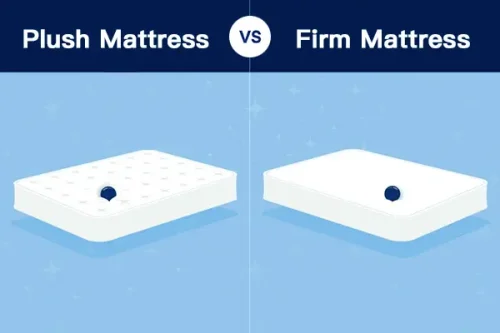
The answer depends on your sleeping position, body type, and how much comfort vs support you prefer.
Plush mattresses feel softer and more cushioned, while firm ones offer stronger support with less sink-in.
In this guide, we’ll break down the key differences, pros and cons, and tips to help you find the perfect fit for your sleep style.
What Is a Plush Mattress?

A plush mattress is designed to feel soft, cushiony, and deeply comfortable.
When you lie down, you’ll notice how it gently cradles your body, allowing you to sink in slightly — like a cozy hug.
This is thanks to the thicker comfort layers made from materials like memory foam, pillow tops, or Euro tops.
But don’t confuse plush with weak support.
While the top layers feel soft, many plush mattresses still have a strong support core underneath, helping to keep your spine aligned while delivering that dreamy softness on top.
Plush mattresses usually fall around 3 to 4 on the mattress firmness scale (1 being the softest, 10 the firmest).
They’re especially popular among side sleepers and those with joint or pressure point pain, since the softness helps reduce tension around the shoulders and hips.
If you love that “sleeping on a cloud” feeling — a plush mattress might just be your perfect match.
What Is a Firm Mattress?
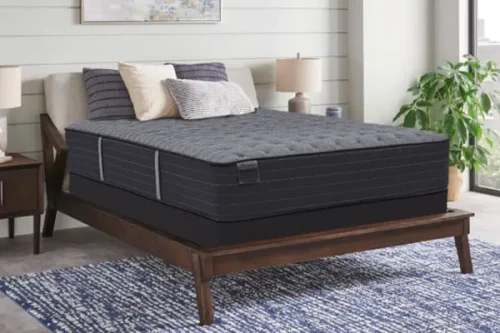
A firm mattress feels more solid and supportive — you’ll notice that you lie on top of the bed rather than sinking into it.
Unlike plush mattresses, firm ones have thinner comfort layers, offering minimal cushioning and a flatter, more stable surface.
Firm mattresses typically rate around 7 to 9 on the firmness scale.
They’re designed to keep your spine aligned by preventing your hips or lower back from sinking too deeply, which is especially important for stomach sleepers and back sleepers.
One common myth is that firmer means better support — but in reality, support comes from the core, not just the feel.
A firm mattress can have great support, but so can a plush one with the right construction.
If you prefer a stable sleeping surface, move around during the night, or want extra lift rather than sink, a firm mattress might be exactly what you need.
Plush vs Firm Mattress: Key Differences

When comparing a plush vs firm mattress, it really comes down to how the mattress feels and functions while you sleep.
Here’s a quick breakdown of their main differences:
1. Feel & Comfort

Plush: Soft, cushioned, and contouring. You’ll feel like you’re gently sinking into the mattress.
Firm: Solid and supportive. You sleep more on the mattress than in it.
2. Pressure Relief

Plush: Excellent at relieving pressure in the shoulders, hips, and joints, especially for side sleepers.
Firm: Less cushioning, which may create pressure points for lighter sleepers or side sleepers.
3. Spinal Alignment

Plush: Supports curves of the body but may allow hips to sink too far if not well-balanced.
Firm: Helps keep the spine in a neutral position, especially for stomach and back sleepers.
4. Ease of Movement
Plush: Softer surface can make it a bit harder to move around or change positions.
Firm: Easier to shift and turn during the night, thanks to the sturdier surface.
5. Motion Isolation

Plush: Often better at absorbing motion, making it great for couples.
Firm: May transfer more movement unless it’s made with motion-isolating materials.
6. Temperature Regulation
Plush: Thicker comfort layers may trap heat, depending on materials used.
Firm: Typically sleeps cooler due to less sinkage and more airflow around the body.
In short, plush mattresses offer soft comfort and contouring, while firm mattresses provide a flat, supportive feel.
Your choice depends on what your body needs to feel rested and aligned.
Pros and Cons of Plush Mattresses
Plush mattresses are loved for their soft, cloud-like comfort, but they’re not perfect for everyone.
Let’s take a closer look at the advantages and disadvantages to help you decide if a plush feel is right for you.
How to Choose: Plush vs Firm Based on Your Needs

Still unsure if plush or firm is your best fit?
Don’t worry — choosing the right mattress isn’t about guessing.
It comes down to knowing what your body type, sleeping position, and comfort preferences actually need.
Here’s how to make the right call:
1. Sleeping Position
Your go-to sleeping position plays a huge role in which mattress feel will work best for you:
- Side sleepers: A plush mattress is usually the best choice. It cushions pressure points at the shoulders and hips.
- Back sleepers: Prefer a balance of comfort and support — usually a medium-firm or firm mattress.
- Stomach sleepers: A firm mattress helps keep your hips from sinking, which prevents lower back strain.
- Combination sleepers: Look for medium to firm for easier movement and all-position support.
2. Body Weight
How much you weigh affects how a mattress feels:
- Under 130 lbs: Softer mattresses feel more comfortable and contouring. A plush mattress works well here.
- 130–230 lbs: Most sleepers in this range prefer medium to medium-firm for balanced comfort and support.
- Over 230 lbs: A firm mattress offers more resistance and helps avoid sinking too deeply into the bed.
3. Back Pain or Joint Issues
- If you have lower back pain, support is key — but that doesn’t always mean firm. A plush mattress with strong support layers can relieve pressure while keeping your spine aligned.
For joint pain (especially in the shoulders or hips), a plush feel often helps reduce pressure and discomfort. - Those with chronic pain or arthritis should look for a mattress that combines support and cushioning — not too soft, not too hard.
4. Sharing the Bed
If you sleep with a partner, consider:
- Motion transfer: Plush mattresses (especially memory foam) absorb movement better, so you’re less likely to disturb each other.
- Weight differences: If one person is much heavier, a firm mattress with a soft topper might strike the right balance.
- Or try a dual-firmness or split mattress — ideal when both sleepers have different preferences.
5. Comfort Preferences & Flexibility
At the end of the day, comfort is personal:
- Love the “sink-in” feel? Go for plush.
- Prefer a flatter, lifted surface? Stick with firm.
- Can’t decide? A medium or hybrid mattress might give you the best of both worlds — or try adding a mattress topper to adjust the feel without replacing the whole bed.


 English
 Spanish
 Portuguese
 Russian
 Arabic
 Japanese
 Korean
 German
 French
