

Struggling with back pain when you wake up?
Your mattress could be part of the problem.

A mattress that’s too soft or too firm can mess with your spine’s alignment and make pain worse.
But the right one can offer support, reduce pressure, and help you sleep more comfortably.
In this guide, we’ll break down the best mattress types for back pain, which firmness works best, and how to choose the right one for your sleep style.
Quick Answer: What’s the Best Type of Mattress for Back Pain?

If you’re in a hurry, here’s the short and sweet answer:
The best type of mattress for back pain is usually a medium-firm hybrid mattress.
Why?
Because it combines the support of coils (to keep your spine aligned) with the comfort of foam or latex (to relieve pressure on your back, hips, and shoulders).
It’s a balanced option that works well for most sleeping positions — especially for back and side sleepers.
That said, the “best” choice can vary depending on your weight, sleep position, and personal comfort preferences.
Don’t worry — we’ll cover all of that in detail next.
Ideal Mattress Firmness for Back Pain Relief

When it comes to back pain, firmness really matters — but not in the way most people think.
You might’ve heard that a firm mattress is best, but research shows that’s not always true.
In fact, a medium-firm mattress is often the sweet spot.
It offers enough support to keep your spine aligned, while still being soft enough to relieve pressure on sensitive areas like your lower back and hips.
Firmness by Sleeping Position
Your sleep position also plays a big role in what firmness level feels best:
- Back sleepers usually do well with a medium-firm mattress that supports the natural curve of the spine.
- Side sleepers often need something softer to cushion the shoulders and hips.
- Stomach sleepers typically need a firmer surface to keep their lower back from sinking — but this position isn’t ideal for back pain.
Adjusting for Body Weight
- If you’re on the heavier side, a firmer mattress can prevent too much sinking and keep things aligned.
- If you’re lighter, a slightly softer surface might feel more comfortable without losing support.
The goal is to find a mattress that feels supportive but not stiff, and comfortable without letting you sink in too far.
That balance is what helps reduce pressure and keep back pain in check.
Best Mattress Types for Back Pain

Not all mattresses are built the same — and when it comes to back pain, the type of mattress you choose can make a big difference.
Let’s walk through the top options and what makes each one unique.
Memory Foam

Memory foam is known for its pressure-relieving comfort.
It molds to your body’s shape, helping to support your spine and cushion your joints.
- Great for side and back sleepers
- Helps relieve tension in the lower back and shoulders
- Look for gel-infused or cooling memory foam if you tend to sleep hot
Best for: People who want deep contouring and pressure relief
Hybrid (Top Choice for Most People)
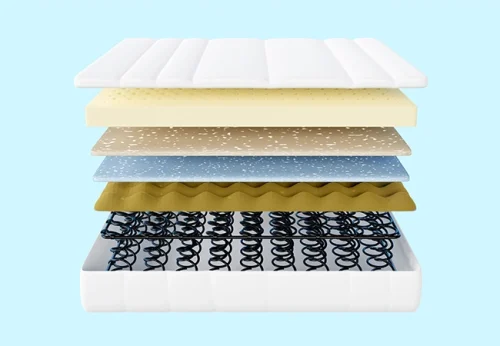
Hybrid mattresses combine supportive coils with layers of memory foam or latex.
This gives you the bounce and support of a traditional mattress with the body-hugging comfort of foam.
- Excellent for spinal alignment
- Reduces pressure points without feeling too soft
- Good motion isolation for couples
Best for: Anyone looking for balance, especially back or combo sleepers
Latex

Latex mattresses are naturally firm, supportive, and breathable.
They offer a more “lifted” feel than memory foam, without the sink-in sensation.
- Naturally resistant to dust mites and mold
- Long-lasting and eco-friendly
- Great airflow for cooler sleep
Best for: Eco-conscious sleepers or those who like a firmer, more buoyant feel
Innerspring

Innerspring mattresses are the classic coil-based beds.
They tend to feel firmer and offer strong support, but often lack pressure relief, especially for side sleepers.
- Affordable and breathable
- May not contour well to the body
- Can wear out faster without proper cushioning
Best for: Stomach sleepers or those who prefer a firm, traditional feel
So, what’s the bottom line?
If you want the best all-around option for back pain, a medium-firm hybrid mattress is a strong choice.
But depending on your body and how you sleep, memory foam or latex might suit you better.
How Mattress Type Affects Spinal Alignment
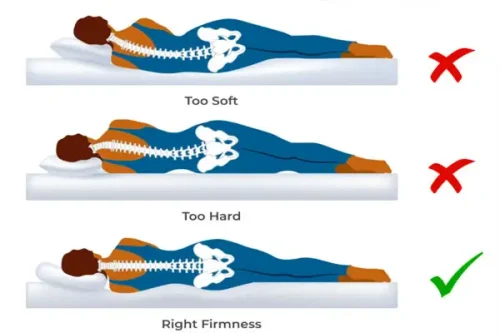
If you’re dealing with back pain, spinal alignment is everything.
When you lie down, your spine should maintain its natural “S” curve — not bend too much or sink in awkwardly.
The right mattress type helps keep that alignment by supporting your body evenly, especially around your lower back, hips, and shoulders.
Here’s how different mattress types can impact alignment:
- Memory foam cradles your curves, which helps reduce gaps between your body and the mattress — especially great for side and back sleepers.
- Hybrid mattresses provide both support (from coils) and contouring (from foam or latex), making it easier to stay aligned in different sleep positions.
- Latex offers a firmer feel with slight bounce, keeping your body “on” the mattress instead of “in” it — helpful if you tend to sink too deep.
- Innerspring mattresses, if not well-cushioned, may lack the contouring needed to fully support the spine — especially for lighter individuals or side sleepers.
Poor spinal alignment during sleep puts stress on muscles and joints, often leading to morning stiffness or long-term pain.
That’s why it’s so important to choose a mattress that fits your body and sleep style — not just what feels comfy for a few minutes in the store.
Expert Mattress Buying Tips for Back Pain Relief

Shopping for a new mattress can feel overwhelming — especially when you’re trying to fix back pain.
But don’t worry, here are a few smart tips to help you choose the right one with confidence.
Prioritize Support Over Softness
A soft mattress might feel cozy at first, but if it doesn’t support your spine properly, it can make your pain worse.
Look for a mattress that keeps your back in a neutral position — especially in the lumbar area.
Look for a Sleep Trial
Many brands now offer 30 to 100-night trials, so you can actually test the mattress at home.
This is especially helpful if you’re unsure what firmness level feels best for your back. If it doesn’t help, you can return it.
Ask About the Return Policy
Even with a trial, double-check the return process.
Some companies offer free returns, while others may charge a restocking fee.
It’s better to know before you buy.
Consult Your Doctor or Therapist
If your back pain is chronic or medical-related, talk to a professional.
They may recommend specific features like zoned support, adjustable bases, or firmer materials based on your condition.
Replace Old Mattresses
If your current mattress is 7–10 years old, it’s probably lost its structure and support.
Even a mid-range new mattress can feel like a huge upgrade if your old one is sagging or lumpy.


 English
 Spanish
 Portuguese
 Russian
 Arabic
 Japanese
 Korean
 German
 French
