


#1. Memory Foam Sleeps Hot
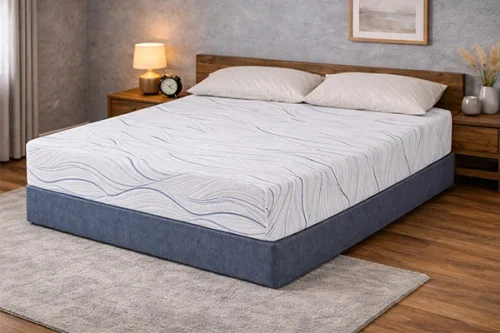
Memory foam is designed to respond to body heat, but its dense structure also traps warmth. This makes many mattresses feel uncomfortably hot, especially for hot sleepers or people living in warm or humid climates.
#2. Sink-In Feeling & Restricted Movement
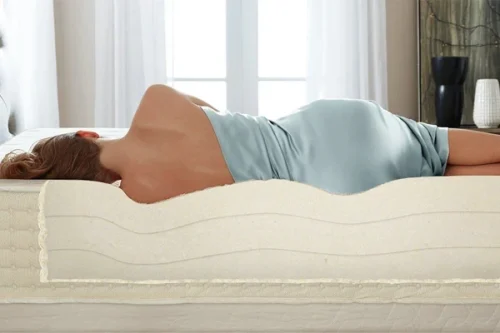
Memory foam deeply contours to the body, which some sleepers find makes them feel “stuck” in the mattress. This slow-adapting surface can make it harder to change positions during the night, especially for combination sleepers who move frequently.
#3. Slow Responsiveness Compared to Newer Mattresses

Memory foam reacts slowly to movement, taking time to readjust when sleepers change positions. Compared to hybrid or latex mattresses, it offers less bounce and responsiveness, which can feel restrictive for active or combination sleepers.
#4. Durability & Sagging Concerns Over Time

Over time, memory foam can develop body impressions in areas under the most pressure, such as the hips and shoulders. As the foam gradually breaks down, this can reduce overall support and affect long-term comfort.
#5. Off-Gassing & Chemical Odor Concerns

New memory foam mattresses often release a chemical smell when first unpacked, known as off-gassing. While usually temporary, this odor can be unpleasant or irritating for sensitive sleepers, especially those prone to headaches or respiratory discomfort.
#6. Heavy Weight & Practical Inconvenience

Memory foam mattresses are typically heavier than other types, making them harder to move, rotate, or lift for cleaning. This added weight can be inconvenient for people who rearrange their space often or move homes frequently.
#7. Not Suitable for All Sleep Positions or Body Types

Memory foam does not work equally well for everyone. Stomach and combination sleepers often find it too soft or slow to adjust, while heavier sleepers may experience reduced support as the foam compresses more deeply over time.
#8. Better Mattress Alternatives Are Widely Available
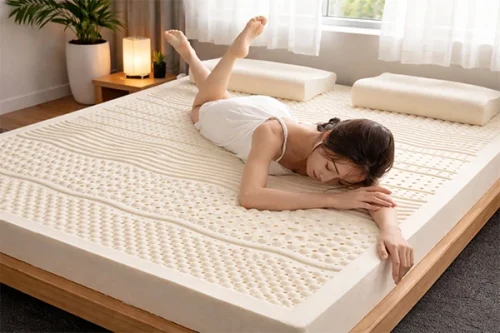
Many sleepers are now choosing hybrid and latex mattresses, which combine comfort with improved performance. These alternatives typically offer better airflow for cooler sleep, faster responsiveness for easier movement, and stronger edge support than traditional memory foam.
#9. Shift Toward Cooler, More Responsive, Eco-Friendly Materials
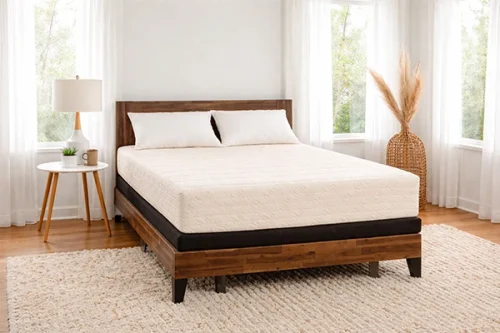
Today’s buyers increasingly prioritize mattresses that stay cool, respond quickly to movement, and use low-odor or sustainable materials. This shift reflects growing awareness of sleep comfort, environmental impact, and long-term usability, making traditional memory foam less appealing to many shoppers.
Memory foam mattresses are not outdated, but they no longer meet the changing expectations of many sleepers. As comfort, responsiveness, and material preferences evolve, consumers are increasingly choosing alternatives that better suit their needs.


 English
 Spanish
 Portuguese
 Russian
 Arabic
 Japanese
 Korean
 German
 French
